Introduction
A joint that felt completely normal at bedtime can become intensely painful by morning. The big toe may be swollen, hot, and so sensitive that even the weight of a bedsheet is difficult to tolerate. This sudden change is a hallmark of gout, a common form of inflammatory arthritis.
Gout is often blamed on meat and alcohol, but genetics, kidney function, metabolism, and medications also influence uric acid levels.
The problem begins when excess urate forms crystals that provoke a powerful immune response. This explains both the intensity of an attack and the importance of prevention.
What Is Gout?
Gout is an inflammatory condition caused by deposits of monosodium urate crystals in and around joints. It typically produces episodes of severe pain and swelling known as gout flares.
Between attacks, someone with gout may feel perfectly well, yet crystals can remain in the tissues.
The first attack often involves the joint at the base of the big toe, but gout can also affect the ankles, knees, feet, wrists, fingers, and elbows. Without effective management, episodes may become more frequent and lead to lasting joint damage.
What Is Uric Acid, and Why Does It Build Up?
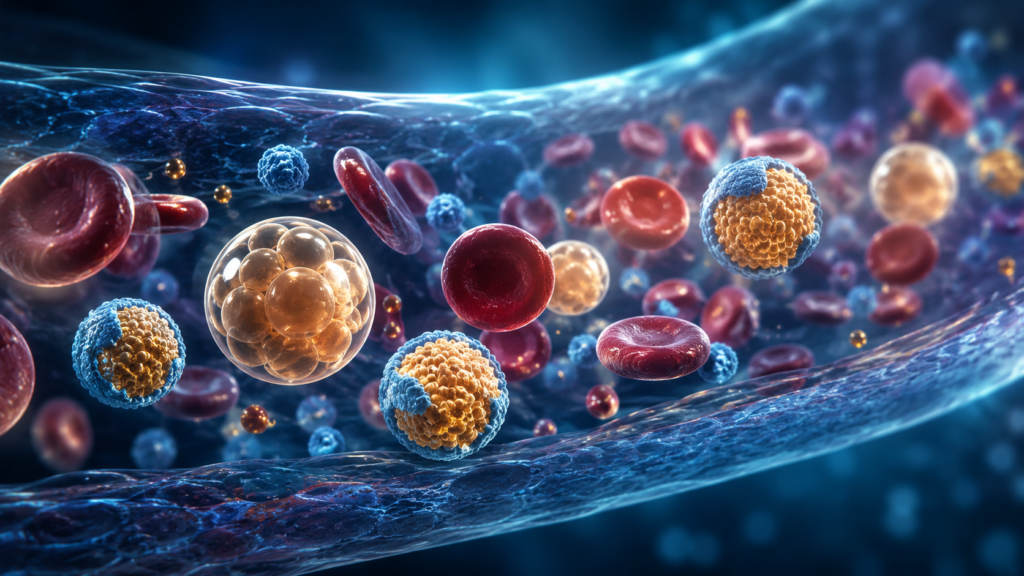
Uric acid forms naturally when the body breaks down purines, substances found in human cells and many foods. In the bloodstream, most uric acid exists in a form called urate.
Normally, urate is removed through the kidneys and, to a lesser extent, the intestines. Problems develop when the body produces more than it can eliminate, or when the kidneys remove too little. The resulting elevation in blood urate is called hyperuricemia.
For many people with gout, reduced urate elimination—not excessive production—is the main problem.

Normally, the kidneys remove urate from the bloodstream and eliminate it through urine. When the kidneys cannot remove enough urate, its concentration in the blood increases.
Not everyone with hyperuricemia develops gout, but persistently elevated levels make crystals more likely.
Why Does Gout Cause Such Sudden, Severe Pain?
Crystals can accumulate silently; pain begins when the immune system reacts.
As urate becomes concentrated in joint tissues, it can form tiny, needle-shaped crystals. Immune cells detect these deposits and release chemical signals that attract more inflammatory cells to the area.
The resulting reaction rapidly increases swelling, warmth, and sensitivity. Specialized white blood cells rush toward the crystals, amplifying inflammation even when no infection is present.
Swelling increases pressure inside the joint, while nearby nerves become hypersensitive. Even light contact with a bedsheet can become unbearable.
The crystals create the conditions for gout; the inflammatory response creates the intense pain.

Needle-shaped urate crystals accumulate inside the joint and trigger an intense immune response, causing inflammation, swelling, and severe pain during a gout attack. Crystals may be present long before symptoms appear. Changes in urate levels, illness, or injury can trigger inflammation, although many attacks have no identifiable cause.
Cooler temperatures favor crystal formation, helping explain why the big toe is a common site.
What Does a Gout Attack Feel Like?
Gout usually begins abruptly, often overnight, and pain can reach its worst intensity within hours.
Typical symptoms include:
- Severe joint pain, frequently making walking or movement difficult
- Swelling and warmth around the affected joint
- Redness or skin discoloration
- Marked tenderness, even without movement
- Limited range of motion while the inflammation is active

An untreated flare commonly settles within one to two weeks, although its duration varies. The skin may remain tender even after the worst pain subsides. Improvement does not mean that the underlying urate deposits have disappeared.
Early attacks may be separated by years, whereas longstanding gout can involve multiple joints.
Who Is More Likely to Develop Gout?
Genetics influence how urate is removed, so having relatives with gout increases risk.
Other important factors include chronic kidney disease, excess body weight,high blood pressure, insulin resistance, and advancing age.
Gout is more common in men and becomes more common in women after menopause.
Certain medicines, including some diuretics, can raise urate levels. Low-dose aspirin may also affect urate handling, but people taking it for cardiovascular protection should not stop it without medical advice.
Food choices can contribute, particularly frequent consumption of organ meats, some seafood, alcohol, and sugar-sweetened beverages. However, diet is only one part of the picture.
Gout is not simply the result of poor eating habits. Someone can follow a balanced diet and still develop it because of genetics, kidney function, or other medical factors.
What Can Trigger a Flare?
When crystals are already present, a gout attack may follow an event that changes the body’s balance or activates inflammation.
Possible triggers include heavy alcohol intake, dehydration, acute illness, surgery, joint injury, and substantial or rapid changes in urate levels.
A large meal rich in certain purines may contribute in susceptible individuals.
Triggers vary between people. Avoiding them does not remove existing crystals.
How Do Doctors Diagnose Gout?
The combination of sudden pain, swelling, and a characteristic affected joint can strongly suggest gout.
Still, symptoms alone cannot always distinguish it from other joint conditions. Joint pain can also result from exercise-related injuries and repetitive stress. Learn how to recognize these problems in our guide to Common Gym Injuries Explained.
A blood test measures serum urate, but interpretation requires care.
A high result does not prove gout; levels can also be normal or temporarily lower during a flare. A repeat test may be needed after symptoms settle.
When the diagnosis is uncertain, fluid can be withdrawn from the joint and examined for urate crystals.
Finding crystals confirms gout, but a simultaneous infection must still be considered when clinically suspected.
Joint aspiration can also help investigate infection, which may cause similar symptoms.
Ultrasound or specialized CT imaging may reveal urate deposits when additional evidence is needed.
When Is Joint Pain an Emergency?
A suddenly hot, swollen, extremely painful joint needs prompt medical assessment, particularly during a first episode.
Septic arthritis, an infection inside a joint, can closely resemble gout and requires urgent treatment.
Seek urgent medical care if severe joint pain is accompanied by:
- Fever or chills
- Feeling generally unwell
- Difficulty moving the affected joint
- Inability to bear weight on the joint
Importantly, joint infection can occur even without fever.
How Is an Acute Gout Attack Treated?
Treatment during a flare focuses on controlling inflammation and relieving pain—not immediately removing the crystals.
Doctors commonly use one of three options:
- Nonsteroidal anti-inflammatory drugs (NSAIDs) to reduce pain and swelling
- Colchicine, which limits the inflammation triggered by urate crystals
- Corticosteroids, taken orally or sometimes delivered by injection
The choice depends on medical history and other medications.
NSAIDs, for example, can be unsuitable with kidney disease or gastrointestinal bleeding risk.
Starting treatment early often improves symptom control. Resting the affected joint, elevating it, and applying a cold pack wrapped in a towel may offer additional relief.
Relieving one flare does not prevent another; long-term prevention requires urate control.
Can Long-Term Treatment Prevent Future Attacks?
Yes. For people with repeated or troublesome flares, tophi, joint damage, or certain additional risk factors, doctors may recommend urate-lowering therapy.
Allopurinol is commonly the first-choice medication. It reduces the body’s production of uric acid.
Febuxostat is another option when appropriate.
Unlike medicines used during a flare, these treatments target the conditions that allow crystals to accumulate.
Treatment usually follows a treat-to-target approach: blood urate is checked regularly while medication is adjusted to reach an effective level.
For most people receiving urate-lowering treatment, the target is: Below 6 mg/dL (360 µmol/L).
Some people with more advanced gout may need a lower target. As levels remain controlled, existing deposits can gradually dissolve.
This takes time, and attacks may temporarily become more frequent when treatment begins.
Doctors may prescribe preventive anti-inflammatory medication during this period, often for several months, while monitoring urate levels and adjusting treatment.
Long-term therapy is often continued for years or lifelong.
Do not stop prescribed urate-lowering medication during a flare unless your clinician directs you to do so.
Not everyone with a first attack or an isolated high urate result needs these medicines; the decision is individualized.
Can Diet and Lifestyle Changes Help?
Lifestyle measures are valuable, especially for cardiovascular and metabolic health, but they have limits.
No particular food or diet has been shown to reliably prevent gout attacks on its own.
Practical steps include limiting alcohol, reducing sugar-sweetened drinks, moderating frequent portions of purine-rich meats and seafood, and maintaining a balanced eating pattern with vegetables, whole grains, and low-fat dairy products.
Gradual weight loss may help people who are overweight; extreme dieting is not a good substitute for long-term management.
Adequate hydration is sensible, although people advised to restrict fluids for heart or kidney conditions should follow their clinician’s instructions.
Gout care should also address blood pressure, kidney health, blood sugar, and cardiovascular risk. Managing cardiovascular risk also involves understanding blood lipids. Learn more in our guide to Cholesterol Explained: LDL, HDL, Triglycerides and Heart Risk.
What Happens If Gout Is Left Untreated?
Repeated inflammation can damage cartilage, bone, and surrounding tissues.
Over time, deposits of urate may form visible or palpable lumps called tophi, sometimes around the fingers, elbows, or ears.
Tophi may initially be painless, but as deposits grow they can restrict movement, alter joint shape, and contribute to long-term disability.
People with gout may also develop uric acid kidney stones, although not every kidney stone in a person with gout is caused by uric acid.
Sustained urate control can prevent many complications and gradually reduce deposits.
Frequently Asked Questions
Can you have gout with normal uric acid levels?
Yes. Serum urate may fall during an acute attack, so a normal result at that moment does not exclude gout.
Is gout caused only by meat and alcohol?
No. Kidney function, genetics, medications, and metabolic health play major roles. Diet can influence risk but rarely explains the entire condition.
Does gout go away when the pain stops?
The inflammation may settle while crystals remain. Without effective urate control, another flare can occur.
Can gout be cured?
With sustained urate reduction, crystals can dissolve and attacks may stop. However, many people need ongoing treatment to keep urate at a safe level.
Conclusion
Gout begins with a chemical imbalance but becomes painful through an intense immune reaction inside the joint. That explains why a tiny crystal deposit can lead to sudden swelling and extraordinary tenderness.
Recognizing the symptoms, ruling out dangerous look-alike conditions, and treating inflammation promptly can make an attack more manageable.
Lasting prevention depends on controlling urate—not simply waiting for the pain to disappear.
Sources & Further Reading
- 1. National Institute of Arthritis and Musculoskeletal and Skin Diseases (NIAMS)
- 2. National Institute for Health and Care Excellence (NICE)
- 3. American College of Rheumatology (ACR)
- 4. National Institute of Arthritis and Musculoskeletal and Skin Diseases (NIAMS)
- 5. National Health Service (NHS)
Medical Disclaimer
This article is intended for educational and informational purposes only and does not replace professional medical advice, diagnosis, or treatment.
If you experience sudden, severe joint pain, swelling, or redness, seek medical evaluation to determine the underlying cause. Never start, stop, or change prescribed medications without consulting a qualified healthcare professional.