Cholesterol explained simply starts with one important fact: cholesterol itself is not inherently harmful. Your body needs cholesterol to build cell membranes, produce hormones, make vitamin D, and create bile acids needed for digestion.
The problem begins when certain cholesterol-carrying particles — especially LDL-containing particles — circulate in the bloodstream at excessive levels for too long.
A standard lipid panel usually measures total cholesterol, LDL cholesterol, HDL cholesterol, and triglycerides. These values are related, but they do not mean the same thing.
Understanding the difference can help explain how someone can feel completely healthy while cardiovascular disease is quietly developing inside the arteries.
What Is Cholesterol?
Cholesterol is a waxy, fat-like substance found throughout the body.
Most of the cholesterol your body needs is produced by the liver. Cholesterol also comes from foods of animal origin, including meat, dairy products, and eggs.
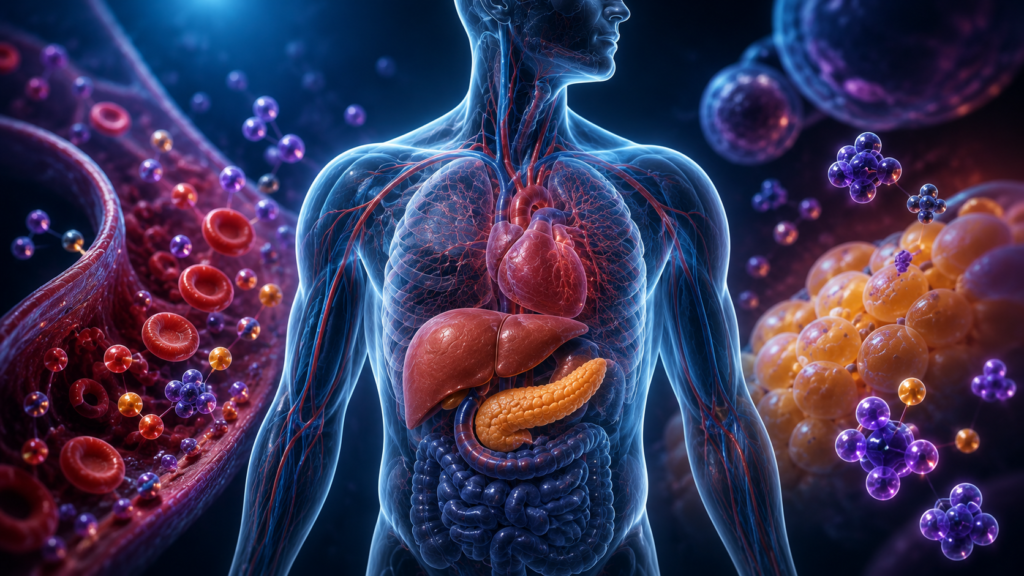
Because cholesterol cannot dissolve freely in blood, it must travel through the bloodstream inside particles called lipoproteins.
The two best-known lipoproteins are:
- Low-density lipoprotein (LDL)
- High-density lipoprotein (HDL)
Other particles, including triglyceride-rich lipoproteins and lipoprotein(a), can also influence cardiovascular risk.
These particles continuously travel through the same cardiovascular network described in how blood circulates through your body, carrying lipids between the liver, organs, and tissues.
LDL Cholesterol: Why It Matters Most
LDL stands for low-density lipoprotein.
LDL particles carry cholesterol through the bloodstream to tissues where it can be used.
This is a normal biological process. The problem occurs when too many atherogenic LDL-containing particles remain in circulation over time.
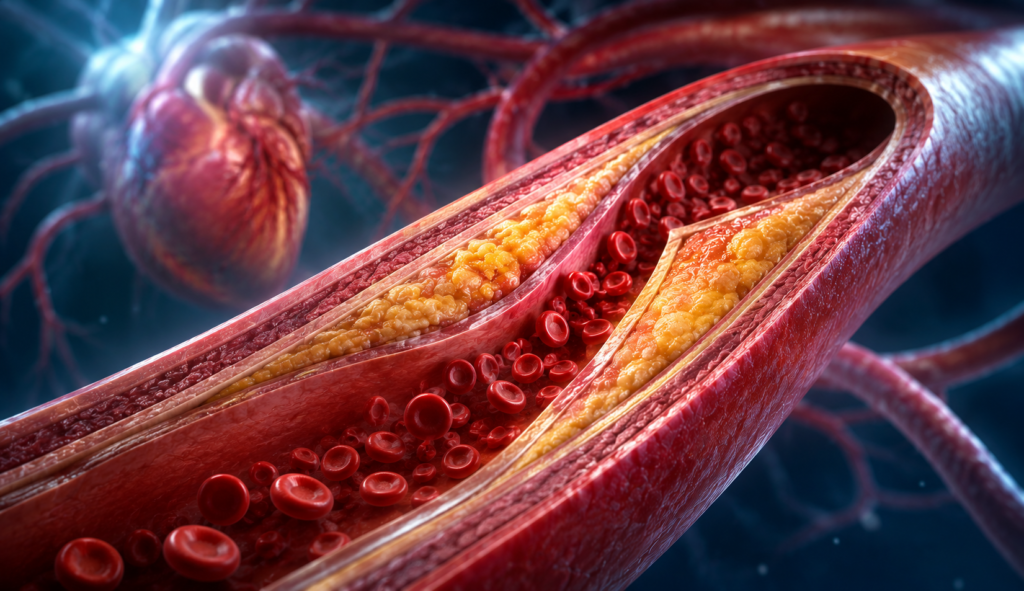
Some of these particles can enter and become trapped within the inner layer of artery walls. This can trigger inflammatory processes and contribute to the gradual formation of atherosclerotic plaque.
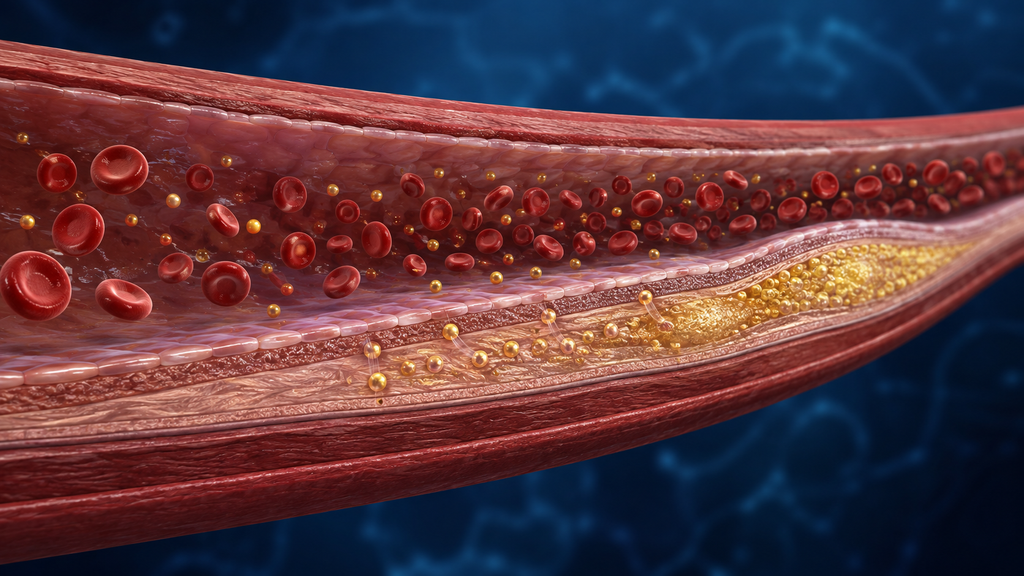
Excess LDL-containing particles can become trapped within the artery wall, contributing to inflammation and the gradual development of atherosclerotic plaque. This is why elevated LDL cholesterol is considered one of the major modifiable risk factors for atherosclerotic cardiovascular disease.
The process may continue silently for many years.
As plaque becomes larger, the artery can gradually narrow. But narrowing is not the only danger.
Some plaques can become unstable and rupture or erode. When this happens, the body may form a blood clot at the damaged area.
If a clot suddenly blocks a coronary artery supplying the heart muscle, it can cause a heart attack.
If blood flow through an artery supplying the brain becomes blocked, the result can be an ischemic stroke.
What LDL Level Is Considered Good?
There is no single LDL cholesterol value that is ideal for everyone.
Treatment goals depend heavily on a person’s overall cardiovascular risk.
According to the 2026 ACC/AHA dyslipidemia guideline, LDL-C treatment goals have returned as part of risk-based management.
For people in primary prevention with borderline or intermediate cardiovascular risk, an LDL-C goal below 100 mg/dL (2.6 mmol/L) may be appropriate.
For people at high cardiovascular risk, the goal may be below 70 mg/dL (1.8 mmol/L).
For patients with established atherosclerotic cardiovascular disease who are considered at very high risk, an LDL-C goal below 55 mg/dL (1.4 mmol/L) is recommended.
The general principle is:
The greater the cardiovascular risk, the lower the LDL target may need to be.
A cholesterol result should therefore always be interpreted together with the person’s overall risk profile rather than as an isolated number.
HDL Cholesterol: The “Good” Cholesterol
HDL stands for high-density lipoprotein.
HDL particles participate in transporting cholesterol away from peripheral tissues and toward the liver, where cholesterol can be processed and eventually eliminated.
Because higher HDL levels have historically been associated with lower cardiovascular risk, HDL became widely known as “good cholesterol.”
A high HDL level does not cancel out the risk associated with high LDL cholesterol.
Modern cardiovascular prevention does not focus on simply raising HDL levels. Instead, treatment primarily aims to reduce atherogenic lipoproteins and improve the person’s overall cardiovascular risk profile.
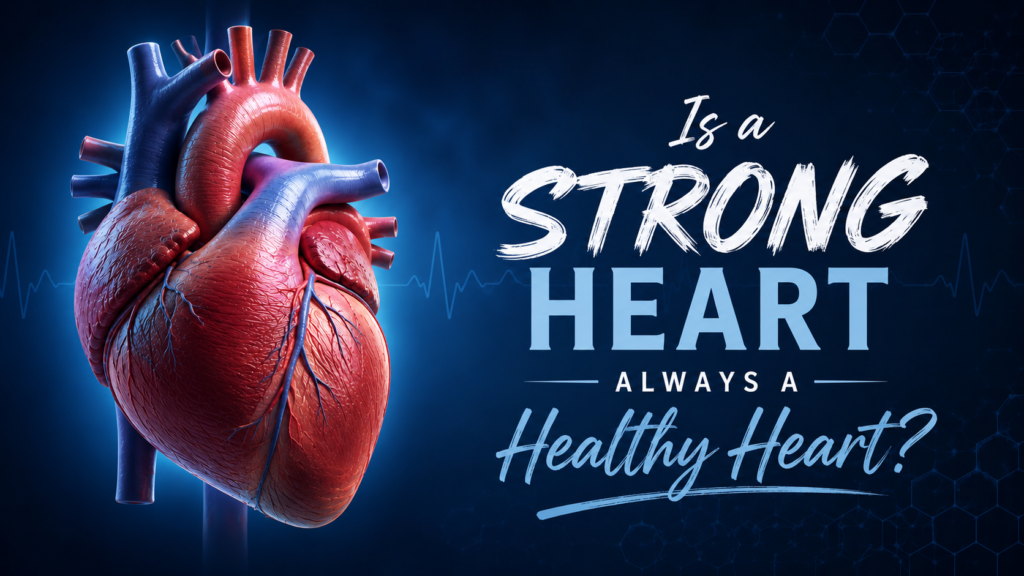
In other words, apparently favorable cardiovascular characteristics do not always tell the whole story — just as a strong heart is not always a healthy heart.
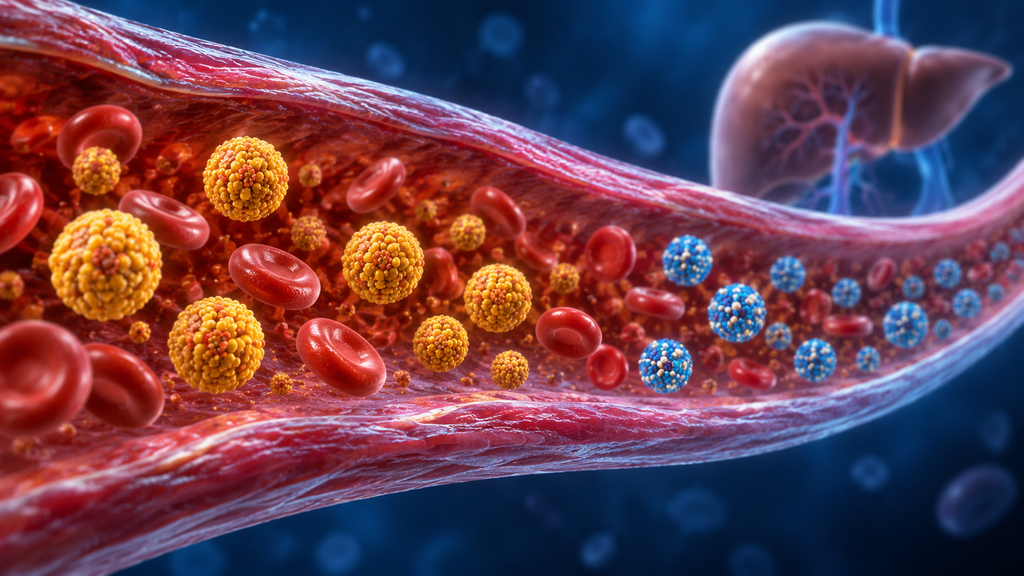
LDL and HDL particles have different roles in lipid transport, but a high HDL level does not eliminate the cardiovascular risk associated with elevated LDL. HDL remains useful when assessing a lipid profile, but it should never be interpreted alone.
What Are Triglycerides?
Triglycerides are different from cholesterol.
They are the body’s most common form of stored fat and serve as an important source of energy.
When you consume more energy than your body immediately requires, some of that excess energy can be converted into triglycerides and stored in fat cells.
Triglycerides also circulate through the bloodstream inside lipoprotein particles.
Elevated triglycerides are commonly associated with:
- overweight and obesity
- insulin resistance
- type 2 diabetes
- excessive alcohol intake
- high intake of refined carbohydrates and added sugars
- physical inactivity
- certain medications
- some genetic disorders
A triglyceride level below approximately 150 mg/dL (1.7 mmol/L) is generally considered normal.
Persistently elevated triglycerides can be associated with increased cardiometabolic risk, particularly when they occur together with high LDL cholesterol, low HDL cholesterol, diabetes, or other metabolic abnormalities.
When Do Triglycerides Become Dangerous?
Very high triglycerides create an additional problem.
When triglyceride levels reach approximately 1,000 mg/dL (11.3 mmol/L) or higher, the risk of acute pancreatitis becomes a major clinical concern.
At these levels, treatment may be required specifically to lower triglycerides and reduce pancreatitis risk.
Understanding Your Lipid Panel
A standard lipid profile usually includes several measurements.
Total cholesterol represents the overall amount of cholesterol carried by different lipoproteins in the blood.
LDL cholesterol estimates the cholesterol carried primarily inside LDL particles.
HDL cholesterol measures cholesterol transported inside HDL particles.
Triglycerides measure a different type of circulating blood fat.
Most importantly, the lipid panel should be interpreted alongside other cardiovascular risk factors, including:
- age
- blood pressure
- smoking
- diabetes
- kidney disease
- family history
- obesity and metabolic health
- existing cardiovascular disease
Two people with the same LDL cholesterol level may therefore have very different overall cardiovascular risks.
Beyond LDL: ApoB and Lipoprotein(a)
Modern lipid assessment increasingly extends beyond traditional cholesterol numbers.
Two measurements receiving particular attention are apolipoprotein B (ApoB) and lipoprotein(a), or Lp(a).
Apolipoprotein B
ApoB is a structural protein found on major atherogenic lipoprotein particles.
Because each of these particles generally contains one ApoB molecule, ApoB can help estimate the number of potentially atherogenic particles circulating in the bloodstream.
This can be important because two people with similar LDL-C concentrations can sometimes have different numbers of LDL and other ApoB-containing particles.
Current guidelines suggest that ApoB testing may be particularly useful in selected patients, including people with elevated triglycerides, diabetes, known cardiovascular disease, or possible residual cardiovascular risk.
Lipoprotein(a)
Lipoprotein(a), or Lp(a), is another cholesterol-carrying particle associated with increased cardiovascular risk.
Lp(a) levels are largely determined by genetics and are usually much less affected by diet and exercise than LDL cholesterol or triglycerides.
Current ACC/AHA guidance recommends measuring Lp(a) at least once in adulthood to identify people who may have an additional inherited cardiovascular risk factor.
Finding elevated Lp(a) does not mean that cardiovascular disease is inevitable. Instead, it may indicate that LDL cholesterol and other modifiable risk factors should be managed more intensively.
Why High Cholesterol Usually Has No Symptoms
One of the most important facts about high cholesterol is that you usually cannot feel it.
High LDL cholesterol generally does not cause pain, dizziness, fatigue, palpitations, or other obvious symptoms.
A person can exercise regularly, maintain a healthy body weight, and feel completely well while having significantly elevated LDL cholesterol.
This is why abnormal cholesterol levels are usually detected through a blood test rather than symptoms.
Rarely, people with severe inherited cholesterol disorders may develop visible cholesterol deposits called xanthomas or cholesterol-related changes around the cornea.
For most people, however, elevated cholesterol remains silent until it is measured — or until cardiovascular disease becomes clinically apparent.
What Causes High LDL Cholesterol?
Several factors can contribute to high LDL cholesterol.
Genetics
Genetics can have a major influence on cholesterol levels.
Familial hypercholesterolemia (FH) is an inherited disorder that can cause very high LDL cholesterol from a young age.
Without appropriate treatment, prolonged lifetime exposure to very high LDL significantly increases the risk of premature atherosclerotic cardiovascular disease.
Diet
Diet can also influence LDL cholesterol.
High intake of saturated fat can increase LDL levels. Important sources may include fatty and processed meats, butter, full-fat dairy products, and certain highly processed foods.
Replacing saturated fats with appropriate sources of unsaturated fats can support a healthier lipid profile.
Medical Conditions
Several medical conditions can negatively affect cholesterol or triglyceride levels, including:
- diabetes
- hypothyroidism
- chronic kidney disease
- overweight and obesity
- some endocrine disorders
Certain medications may also influence lipid levels.
How Can You Improve Your Cholesterol Profile?
Follow a Heart-Healthy Diet
A cardiovascular-friendly dietary pattern emphasizes:
- vegetables
- fruits
- whole grains
- beans and legumes
- nuts and seeds
- fish
- lean protein sources
- unsaturated fats
Saturated fat should be limited and replaced, where appropriate, with healthier unsaturated fats.
Foods containing soluble fiber — including oats, barley, beans, lentils, fruits, and vegetables — can also help improve LDL cholesterol.
Exercise Regularly
Physical activity benefits far more than cholesterol alone.
Regular exercise can improve cardiovascular fitness, insulin sensitivity, blood pressure, weight management, and triglyceride metabolism.
The objective is not simply to manipulate one laboratory result but to improve overall cardiovascular health.
Maintain a Healthy Weight
For people who are overweight, sustainable weight loss can improve triglycerides, insulin sensitivity, blood pressure, and other cardiometabolic risk factors.
Avoid Tobacco
Smoking damages blood vessels and significantly increases cardiovascular risk.
Combining smoking with high LDL, hypertension, or diabetes places additional stress on the cardiovascular system.
Control Other Cardiovascular Risk Factors
Cholesterol does not act in isolation.
Blood pressure, diabetes, kidney disease, smoking, family history, physical activity, and body composition all influence cardiovascular risk.
Effective prevention means addressing the whole risk profile.
When Are Cholesterol-Lowering Medications Needed?
Lifestyle changes are fundamental, but they are not always enough.
Some people have genetically elevated LDL cholesterol. Others already have cardiovascular disease or have enough additional risk factors that medication can provide significant protection.
Statins remain the foundation of LDL-lowering drug therapy.
They lower LDL cholesterol and have strong evidence for reducing cardiovascular events.
When LDL remains above the appropriate target despite statin therapy — or when statins cannot be tolerated — additional treatments may include:
- ezetimibe
- PCSK9-targeting therapies
- bempedoic acid
- other specialized lipid-lowering treatments
Treatment should be individualized according to cardiovascular risk, LDL level, existing disease, treatment response, and medical history.
The goal is not simply to produce a better laboratory number.
The goal is to reduce lifetime exposure to atherogenic particles and lower the risk of heart attack, stroke, and other cardiovascular complications.
Cholesterol and Atherosclerosis: The Bigger Picture
The connection between cholesterol and heart disease becomes much clearer when we look inside the artery wall.
Atherogenic lipoprotein particles circulate through the blood.
Some enter and become retained within susceptible areas of the arterial wall.
Inflammation develops.
Lipids accumulate.
Atherosclerotic plaque begins to form.
Over time, that plaque can become larger, narrow the artery, or become unstable.
This is why understanding how plaque builds up inside your arteries is an important part of understanding cholesterol-related cardiovascular risk.
The process often develops silently for decades.
Its first obvious clinical consequence, however, can sometimes be a serious cardiovascular event.
The Bottom Line
Cholesterol is essential for normal human biology, but excessive exposure to LDL and other atherogenic lipoproteins can promote atherosclerosis and increase cardiovascular risk.
LDL cholesterol is a major treatment target because of its role in plaque development.
HDL cholesterol provides useful information about cardiovascular risk but should not be viewed as protection against high LDL.
Triglycerides are a different type of blood fat that can reflect metabolic risk and, when extremely elevated, increase the risk of acute pancreatitis.
Modern cardiovascular prevention therefore looks beyond total cholesterol.
LDL-C, non-HDL-C, triglycerides, ApoB, Lp(a), blood pressure, diabetes, smoking, family history, and existing cardiovascular disease can all contribute to the bigger picture.
The most useful question is not simply:
“Is my cholesterol high?”
It is:
“What do my lipid levels mean for my overall cardiovascular risk?”
Frequently Asked Questions
Is LDL always bad?
LDL particles perform normal biological functions, but persistently elevated LDL increases exposure of artery walls to atherogenic particles and raises cardiovascular risk.
Can high HDL protect me from high LDL?
No. A high HDL value does not neutralize the cardiovascular risk associated with significantly elevated LDL cholesterol.
What is a normal triglyceride level?
A triglyceride level below approximately 150 mg/dL (1.7 mmol/L) is generally considered normal, although it should always be interpreted alongside the rest of the lipid profile.
Can a fit person have high cholesterol?
Yes. Genetics, diet, thyroid disease, diabetes, kidney disease, medications, and other factors can cause abnormal cholesterol levels even in physically active people.
Can cholesterol be lowered without medication?
Lifestyle changes can significantly improve cholesterol levels and overall cardiovascular health. However, people with genetically very high LDL, established cardiovascular disease, or substantial cardiovascular risk may still require medication.
Medical Disclaimer
This article is intended for general educational and informational purposes only. It does not replace professional medical advice, diagnosis, or treatment. Individual cholesterol targets and treatment decisions should be discussed with a qualified healthcare professional.
Medical Sources
- American College of Cardiology / American Heart Association — 2026 Guideline on the Management of Dyslipidemia.
- American Heart Association — Understanding Cholesterol and Lipids: LDL, HDL, Triglycerides and Lipoprotein(a).
- American Heart Association — What Your Cholesterol Levels Mean.
- Centers for Disease Control and Prevention — LDL and HDL Cholesterol and Triglycerides.
- National Heart, Lung, and Blood Institute — Blood Cholesterol: Causes and Risk Factors.
- National Heart, Lung, and Blood Institute — Blood Cholesterol: Symptoms.
- European Society of Cardiology / European Atherosclerosis Society — 2025 Focused Update of the Guidelines for the Management of Dyslipidaemias.