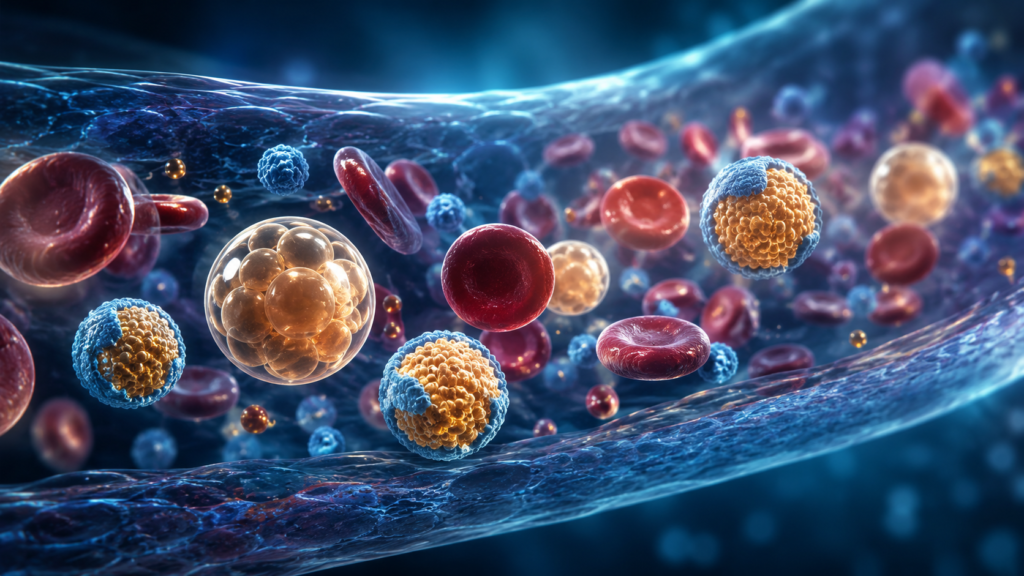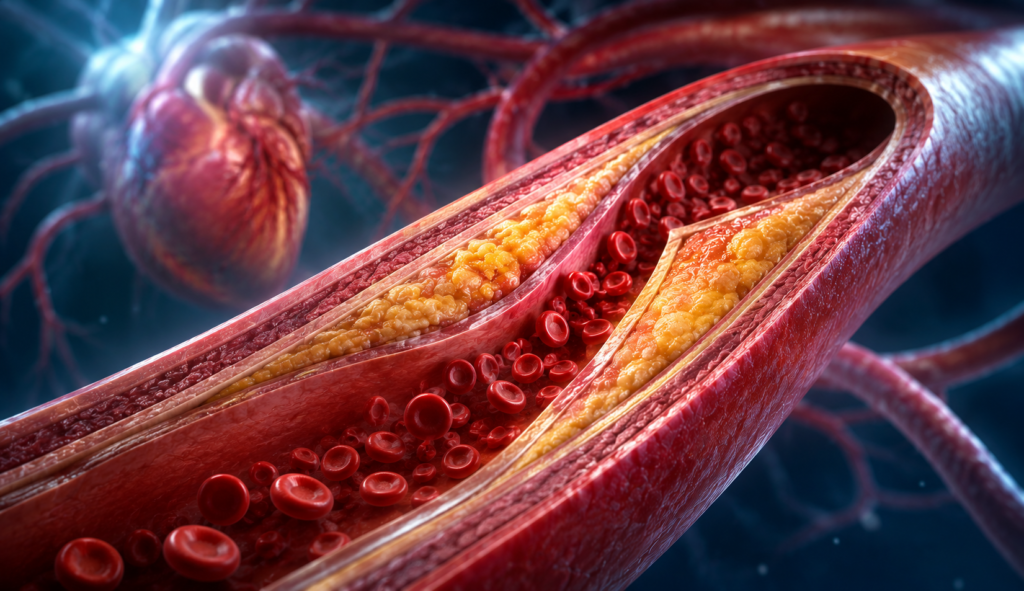
Insulin resistance often develops quietly. You may feel completely normal while, beneath the surface, your body is already working harder to keep blood sugar under control.
At the center of this process is insulin — a hormone that helps your cells use glucose for energy and keeps blood glucose within a healthy range.
When cells become less responsive to insulin, the pancreas initially compensates by producing more of it. For a while, this can keep blood glucose relatively normal. But if the process continues, the system may struggle to keep up, increasing the risk of prediabetes and eventually type 2 diabetes.
So what actually happens inside the body when insulin resistance develops?
What Is Insulin Resistance?
Insulin resistance is a state in which cells in tissues such as skeletal muscle, fat, and the liver do not respond to insulin as effectively as they should. Think of insulin as a metabolic signal.
After you eat carbohydrates, digestion breaks many of them down into glucose. Glucose enters the bloodstream, causing blood glucose levels to rise. In response, specialized beta cells in the pancreas release insulin.
Insulin then signals different tissues to handle that incoming energy.
When insulin sensitivity is normal, this system works efficiently. When insulin resistance develops, a stronger insulin signal is required to achieve a similar effect.
The pancreas often responds by producing additional insulin — a compensatory state known as hyperinsulinemia.
What Does Insulin Normally Do?
Insulin does much more than simply “lower blood sugar.”
After a meal, rising blood glucose stimulates insulin release from the pancreas. Insulin then coordinates how the body uses and stores nutrients.
Skeletal Muscle
Skeletal muscle is an important destination for glucose after eating.
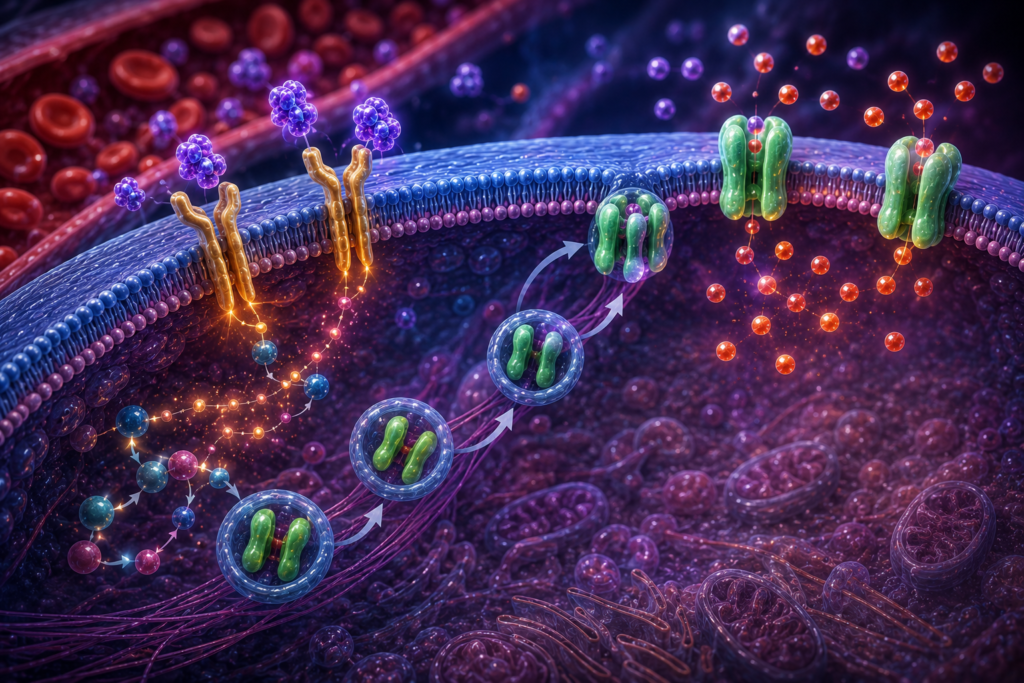
Insulin binds to receptors on muscle cells and activates an intracellular signaling pathway. One result is the movement of GLUT4 glucose transporters toward the cell membrane.
These transporters allow more glucose to enter the muscle cell, where it can be used for energy or stored as glycogen.
The Liver
The liver acts as an important regulator of blood glucose.
When insulin levels rise after eating, insulin normally tells the liver to reduce its own glucose production while encouraging energy storage.
Fat Tissue
Insulin also influences adipose tissue. It promotes energy storage and suppresses the breakdown of stored fat when energy is readily available.
Together, these actions help prevent excessive amounts of glucose from remaining in the bloodstream.
What Happens During Insulin Resistance?
Insulin resistance does not mean insulin has completely stopped working.
Instead, tissues become less sensitive to its signal.
Imagine insulin sending a message to a muscle cell:
“Glucose is available. Take it in.”
In an insulin-sensitive cell, the message produces a strong response.
In an insulin-resistant cell, the same amount of insulin produces a weaker response.
The pancreas therefore has to send a stronger signal by releasing more insulin.
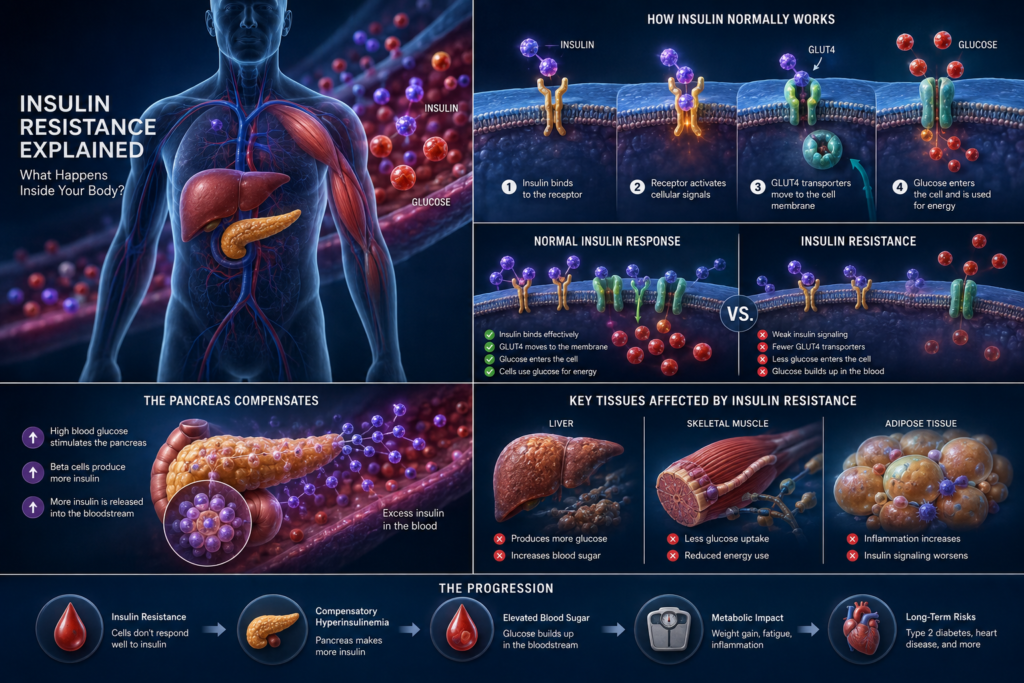
This creates an important metabolic progression.
Stage 1 — Reduced Insulin Sensitivity
Muscle, liver, and fat tissues become less responsive to insulin.
Stage 2 — The Pancreas Compensates
Pancreatic beta cells increase insulin secretion.
Blood glucose may still remain within the normal range because the higher insulin concentration compensates for reduced insulin sensitivity.
This is one reason insulin resistance can exist before routine glucose tests become abnormal.
Stage 3 — Glucose Regulation Becomes More Difficult
If insulin resistance progresses, the pancreas may eventually become unable to compensate sufficiently.
Blood glucose begins to rise.
Stage 4 — Prediabetes and Type 2 Diabetes
Persistent deterioration in glucose regulation can lead to prediabetes and, in some people, type 2 diabetes.
Not everyone with insulin resistance will develop diabetes, and progression is not inevitable.
Insulin Resistance in Different Organs
Insulin resistance affects multiple tissues differently.
Muscle: Less Efficient Glucose Uptake
Skeletal muscle normally removes substantial amounts of glucose from the bloodstream after a meal.
When muscle becomes insulin resistant, insulin-stimulated glucose uptake becomes less efficient.
As a result, glucose can remain elevated in the circulation for longer after eating.
Liver: Glucose Production at the Wrong Time
One of insulin’s normal jobs is to tell the liver that enough glucose is already circulating.
With hepatic insulin resistance, that signal becomes less effective.
The liver may continue releasing glucose even when blood glucose and insulin are already elevated.
This abnormal hepatic glucose production is particularly important in the development of elevated fasting blood glucose.
Fat Tissue: Altered Fat Metabolism
Insulin normally suppresses the release of fatty acids from stored body fat.
With insulin resistance, this regulation becomes less effective. Increased circulating fatty acids can interact with metabolic pathways in the liver and muscle and may further contribute to insulin resistance.
This helps explain why insulin resistance is not simply a “blood sugar problem.” It involves a network of changes in glucose and fat metabolism.
What Causes Insulin Resistance?
There is no single cause.
Insulin resistance develops through a complex interaction of genetics, body composition, physical activity, hormones, medications, aging, sleep, and other health conditions.
Important risk factors include:
- Overweight or obesity, particularly excess abdominal or visceral fat
- Physical inactivity
- Family history of type 2 diabetes
- Increasing age
- Polycystic ovary syndrome (PCOS)
- History of gestational diabetes
- Sleep apnea
- Certain endocrine disorders
- Some medications, including long-term glucocorticoid therapy and certain antipsychotic medications
However, insulin resistance can also occur in people who do not have obesity.
This is why appearance or body weight alone cannot determine whether someone is insulin resistant.
Does Insulin Resistance Cause Symptoms?
Often, no obvious symptoms are present.
A person may have insulin resistance for years without realizing it.
Some people develop conditions or physical findings associated with insulin resistance, such as:
- Prediabetes
- Elevated triglycerides
- Low HDL cholesterol
- High blood pressure
- Metabolic dysfunction-associated steatotic liver disease (MASLD)
- Polycystic ovary syndrome
- Acanthosis nigricans — areas of darker, thickened skin, often around the neck or body folds
Symptoms such as increased thirst, frequent urination, fatigue, or unexplained weight loss are more concerning for significant hyperglycemia or diabetes rather than being reliable early indicators of insulin resistance itself.
How Is Insulin Resistance Diagnosed?
This is an important distinction:
There is no single routine clinical blood test that directly diagnoses insulin resistance in the same way that standard tests diagnose prediabetes or diabetes.
Highly accurate methods of measuring insulin sensitivity exist, but some are primarily used in research.
In everyday clinical practice, healthcare professionals usually evaluate a combination of risk factors, physical findings, and laboratory results.
Common tests used to assess glucose regulation include:
Fasting Plasma Glucose
This measures blood glucose after fasting.
For nonpregnant individuals:
- Normal: below 100 mg/dL (5.6 mmol/L)
- Prediabetes: 100–125 mg/dL (5.6–6.9 mmol/L)
- Diabetes: 126 mg/dL (7.0 mmol/L) or higher*
HbA1c
HbA1c estimates average blood glucose exposure over approximately the previous three months.
- Normal: below 5.7%
- Prediabetes: 5.7–6.4%
- Diabetes: 6.5% or higher*
Oral Glucose Tolerance Test (OGTT)
Two hours after a 75-gram oral glucose load:
- Normal: below 140 mg/dL (7.8 mmol/L)
- Prediabetes: 140–199 mg/dL (7.8–11.0 mmol/L)
- Diabetes: 200 mg/dL (11.1 mmol/L) or higher*
*In the absence of unequivocal hyperglycemia, abnormal results used to diagnose diabetes generally require confirmation.
Doctors may also evaluate blood lipids, blood pressure, waist measurements, liver health, and other metabolic risk factors depending on the individual.
Can Insulin Resistance Be Improved?
In many people, insulin sensitivity can improve significantly.
The most effective strategy depends on what is contributing to the insulin resistance.
Physical Activity
Exercise is one of the most powerful tools for improving metabolic health.
Muscle contractions can increase glucose uptake, and regular physical activity improves the body’s response to insulin over time.
Both aerobic activity and resistance training can be beneficial.
Weight Management
For people with overweight or obesity, losing even a moderate amount of weight can produce meaningful metabolic improvements.
The landmark Diabetes Prevention Program found that, among people at high risk for type 2 diabetes, lifestyle intervention including approximately 5–7% weight loss substantially reduced progression to diabetes.
Nutrition
There is no single “insulin resistance diet” that works for everyone.
A sustainable dietary pattern generally emphasizes:
- Vegetables
- Whole fruits
- Whole grains and other fiber-rich carbohydrate sources
- Legumes
- Appropriate protein sources
- Unsaturated fats
- Minimally processed foods
Reducing frequent consumption of sugar-sweetened beverages and highly refined, energy-dense foods can also support metabolic health.
The overall dietary pattern matters more than labeling one individual food as “good” or “bad.”
Sleep
Adequate, consistent sleep is another part of metabolic health.
Sleep disorders such as obstructive sleep apnea are associated with insulin resistance, making evaluation and treatment important when clinically appropriate.
Insulin Resistance vs. Prediabetes
These terms are related but not identical.
Insulin resistance describes reduced biological responsiveness to insulin.
Prediabetes is defined by blood glucose or HbA1c levels above the normal range but below the diagnostic threshold for diabetes.
A person can therefore develop insulin resistance while glucose remains normal because the pancreas is still producing enough additional insulin to compensate.
Prediabetes can appear later as that compensation becomes insufficient.
The Bigger Picture
Insulin resistance is not simply a problem of eating too much sugar.
It represents a complex change in how multiple organs communicate and manage energy.
Muscle becomes less efficient at taking up glucose.
The liver becomes less responsive to insulin’s signal to reduce glucose production.
Fat metabolism becomes altered.
The pancreas responds by producing more insulin.
For some time, this compensation may work remarkably well.
But when the system can no longer maintain normal glucose regulation, blood glucose begins to rise — creating the metabolic environment that can progress from insulin resistance to prediabetes and eventually type 2 diabetes.
The important message is that this progression is not necessarily inevitable. Physical activity, appropriate nutrition, healthy sleep, weight management when needed, and medical treatment can substantially improve metabolic health and reduce the risk of type 2 diabetes.
Frequently Asked Questions
Can you have insulin resistance with normal blood sugar?
Yes. Early in the process, the pancreas may compensate by producing more insulin, allowing blood glucose to remain within the normal range.
Does insulin resistance always become diabetes?
No. Insulin resistance increases the risk of type 2 diabetes, but progression is not inevitable. Lifestyle changes and, when appropriate, medical treatment can substantially reduce risk.
Can thin people have insulin resistance?
Yes. Although excess visceral fat and obesity are important risk factors, insulin resistance can also occur in people without obesity because genetics, physical activity, medications, hormonal disorders, body-fat distribution, and other factors also influence insulin sensitivity.
Is insulin resistance the same as diabetes?
No. Insulin resistance is a metabolic state. Diabetes is diagnosed when blood glucose or HbA1c reaches established diagnostic thresholds.
Can exercise improve insulin sensitivity?
Yes. Regular physical activity can improve glucose uptake by skeletal muscle and increase insulin sensitivity. Both aerobic exercise and resistance training can contribute to better metabolic health.
Medical Disclaimer
This article is intended for educational purposes only and does not replace professional medical advice, diagnosis, or treatment. If you are concerned about your blood glucose, insulin resistance, prediabetes, or diabetes risk, consult a qualified healthcare professional.
Medical Sources
- American Diabetes Association. Standards of Care in Diabetes—2026: Diagnosis and Classification of Diabetes.
- National Institute of Diabetes and Digestive and Kidney Diseases (NIDDK). Insulin Resistance & Prediabetes.
- National Institute of Diabetes and Digestive and Kidney Diseases (NIDDK). Diabetes & Prediabetes Tests.
- Endotext, NCBI Bookshelf. Pathogenesis of Type 2 Diabetes Mellitus.
- Endotext, NCBI Bookshelf. Assessing Insulin Sensitivity and Resistance in Humans.
- Diabetes Prevention Program (DPP), National Institutes of Health / NIDDK.