
Introduction
Home health monitoring has become easier than ever. Blood pressure monitors, smartwatches, glucose meters, and other devices allow people to track important health measurements without visiting a medical facility.
But which measurements are actually worth tracking?
Not every health metric needs daily attention. Some measurements help manage medical conditions, while others provide useful lifestyle information or have limited value for otherwise healthy individuals.
The key is understanding what each measurement reveals, who benefits from tracking it, and when the results require medical attention.
Blood Pressure: One of the Most Valuable Measurements
Blood pressure is among the most clinically useful measurements that can be monitored at home.
High blood pressure often develops without noticeable symptoms and is a major risk factor for heart disease, stroke, and kidney damage.
Home monitoring is particularly valuable for people who:
- Have diagnosed hypertension.
- Are starting or adjusting blood pressure treatment.
- Need additional measurements to confirm suspected hypertension.
- Have been advised to monitor their blood pressure because of cardiovascular risk.
How Often Should You Measure It?
The appropriate frequency depends on your health and treatment plan.
When assessing blood pressure control, healthcare professionals may recommend measurements in the morning and evening over several days.
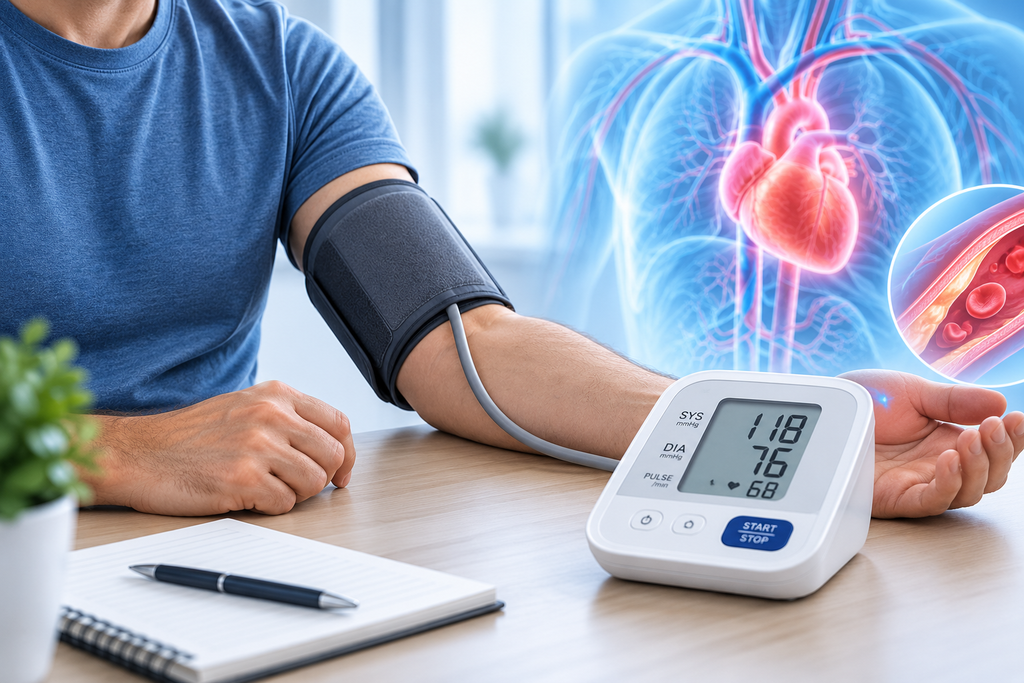
For reliable results, use a validated automatic upper-arm monitor, sit quietly for five minutes, and take two readings approximately one minute apart. Routine daily measurements are not necessary for every healthy individual with consistently normal blood pressure.
Proper positioning and a validated upper-arm blood pressure monitor help ensure reliable home measurements.
Our assessment: Blood pressure monitoring has clear medical value when used appropriately, particularly for people with hypertension.
Blood Glucose: Essential for Some, Unnecessary for Others
Blood glucose monitoring measures the amount of glucose circulating in the blood.
It plays a central role in managing diabetes, particularly for people using insulin or medications that can cause low blood sugar.
Depending on their treatment, people with diabetes may use:
- A traditional finger-prick glucose meter.
- A continuous glucose monitor (CGM).
Both methods can help identify abnormal glucose levels and guide treatment decisions.
Should Healthy People Monitor Blood Glucose?
For individuals without diabetes or another medical indication, routine daily glucose monitoring is generally unnecessary.

Blood glucose naturally fluctuates throughout the day, especially after meals. These changes do not automatically indicate a health problem. People at risk of diabetes benefit more from appropriate medical screening, such as laboratory blood glucose or HbA1c testing, than from unstructured daily measurements.
Blood glucose monitoring helps people with diabetes track glucose levels and make informed decisions about their treatment.
Our assessment: Glucose monitoring is essential for many people with diabetes, but its usefulness depends on individual medical needs and treatment.
Body Weight: More Than a Fitness Measurement
Body weight is often associated with fitness and weight management, but it can also provide important medical information.
For people managing their weight, regular measurements can help identify longer-term changes.
However, daily fluctuations are normal and may reflect differences in hydration, food intake, or other temporary factors.
Why Daily Weight Matters in Heart Failure
For people with heart failure, sudden weight gain may indicate fluid retention.
This can sometimes occur before more noticeable symptoms develop.
The American Heart Association identifies rapid weight gain as a potential warning sign of worsening heart failure. Patients should follow an individualized monitoring plan and know when to contact their healthcare team.
Our assessment: Weight tracking is useful for long-term weight management and can be particularly important in monitoring heart failure. Daily measurements are not necessary for everyone.
Heart Rate: Useful for Trends, Not Diagnoses
Heart rate indicates how frequently the heart beats and can provide useful information about cardiovascular activity.
Modern smartwatches and fitness trackers make it possible to monitor resting and exercise heart rate throughout the day.
What Is Worth Tracking?
Resting heart rate trends may reflect changes associated with physical fitness, stress, illness, medications, or recovery. To better understand what your pulse can reveal about your health, read our article Heart Rate Explained: What Your Pulse Can Tell You About Your Health.
During exercise, heart rate can also help estimate workout intensity.
However, an individual heart rate reading cannot independently determine cardiovascular health.
Optical measurements from smartwatches may also become less reliable during activities involving substantial wrist movement or rapidly changing exercise intensity.
For a closer examination of device accuracy, see our article Smartwatches and Heart Rate Monitoring: How Accurate Are They?
Our assessment: Heart rate tracking is useful for fitness monitoring and recognizing unusual trends, but routine continuous monitoring is not medically necessary for most healthy adults.
Sleep and Physical Activity: Valuable Lifestyle Indicators
Not every useful health measurement requires specialized medical equipment.
Two of the most practical indicators are sleep duration and physical activity.
Sleep Duration
Consistently obtaining sufficient sleep supports physical and mental health.
Adults aged 18–60 are generally advised to sleep at least seven hours per night.
Tracking sleep duration and maintaining a regular sleep schedule can help identify habits that need improvement.
However, smartwatch estimates of deep sleep, REM sleep, and sleep quality should not be treated as clinical measurements.
Consumer sleep trackers cannot replace medical evaluation or diagnostic sleep studies when a sleep disorder is suspected.
Daily Physical Activity
Step counts and activity minutes can help people recognize sedentary habits and maintain consistent physical activity.
For adults, public health recommendations generally include at least 150 minutes of moderate-intensity aerobic activity per week, alongside muscle-strengthening activity on two or more days.
Our assessment: Sleep duration and physical activity are worth tracking when they support healthier habits. Exact sleep-stage percentages and daily step counts are less important than consistent long-term behavior.
Oxygen Saturation and Body Temperature: Monitor When Needed
Some measurements are particularly useful during illness or when recommended by a healthcare professional.
Oxygen Saturation (SpO₂)
Pulse oximeters estimate the percentage of oxygen-saturated hemoglobin in the blood.
They can be useful for monitoring certain respiratory conditions when included in a medical care plan.
However, routine oxygen saturation monitoring is generally unnecessary for healthy people without symptoms.
Accuracy can also be affected by poor circulation, movement, skin pigmentation, and other factors.
A normal reading does not guarantee that a person is medically stable.
Body Temperature
Temperature measurement is useful when fever, infection, or another relevant medical condition is suspected.
However, measuring body temperature several times daily without symptoms or a medical reason usually provides little additional benefit.
Our assessment: Oxygen saturation and temperature are valuable when clinically indicated, rather than measurements everyone needs to track continuously.
Which Health Measurements Are Often Overvalued?
Modern home health monitoring devices generate an increasing amount of health-related data.
Not all measurements have established clinical usefulness.
Examples include:
Daily stress scores: Often calculated using heart rate variability and other signals, these estimates do not directly measure psychological stress or diagnose medical conditions.
Smartwatch sleep-stage percentages: Consumer devices estimate sleep stages, but their results should not be interpreted as equivalent to a clinical sleep study.
Body fat percentages from smart scales: These measurements may be influenced by hydration and other factors. Individual readings should not be treated as precise assessments of body composition.
Blood pressure estimates from cuffless smartwatches: These should not replace validated upper-arm blood pressure monitors for clinical decisions. The 2025 AHA/ACC hypertension guideline advises against relying on cuffless devices until their accuracy and reliability improve.
These measurements may offer general lifestyle insights, but more data does not necessarily mean better health information.
Home Health Monitoring: Which Measurements Matter Most?
The most useful home health monitoring routine depends on individual health needs.
| Measurement | Most Useful For | Suggested Frequency |
|---|---|---|
| Blood pressure | Hypertension and selected cardiovascular risks | According to medical advice |
| Blood glucose | Diabetes management | Based on treatment plan |
| Body weight | Weight management and heart failure | Periodically; daily for some heart failure patients |
| Heart rate | Fitness and selected medical concerns | As needed |
| Sleep duration | Sleep habits and recovery | Regular tracking if helpful |
| Physical activity | Fitness and general health | Daily or weekly |
| Oxygen saturation | Selected respiratory conditions | When medically indicated |
| Body temperature | Fever and illness | When needed |
The most important principle is to track measurements that can lead to meaningful decisions, rather than collecting numbers without a clear purpose.
How to Monitor Your Health Without Overdoing It
Effective home health monitoring does not require checking every available parameter.
Instead, focus on three principles.
Choose relevant measurements. Your age, medical history, medications, and health goals determine which values deserve attention.
Look for meaningful patterns. One unusual reading may result from temporary changes or measurement error. Repeated changes are often more informative, although serious symptoms should never be ignored.
Know when to seek medical advice. Home monitoring should support professional care rather than replace it. Do not independently change prescribed medication based solely on home readings.
Seek emergency medical assistance for serious symptoms such as chest pain, severe breathing difficulty, fainting, or signs of stroke, regardless of what a home monitoring device displays.
Final Verdict
The best home health monitoring routine is not the one that tracks the most measurements. It is the one that provides useful, reliable, and actionable information.
Blood pressure and blood glucose monitoring can be essential for people with specific medical conditions. Body weight, heart rate, sleep, and physical activity may provide valuable additional information depending on individual needs.
Other measurements, including oxygen saturation, temperature, and advanced wearable metrics, are most useful in appropriate circumstances.
For most people, a few carefully selected measurements are more beneficial than continuously tracking every available health statistic.
Frequently Asked Questions
What is the most important health measurement to track at home?
There is no single measurement that everyone needs to monitor daily. Blood pressure is particularly important for people with hypertension, while glucose monitoring is essential for many individuals with diabetes.
Should healthy people monitor their vital signs every day?
Generally, no. Healthy individuals without specific medical concerns usually do not need continuous monitoring of blood pressure, oxygen saturation, or other vital signs.
Can home monitoring replace regular medical checkups?
No. Home devices cannot replace medical examinations, recommended screening tests, or laboratory investigations.
Sources and Further Reading
- American Heart Association / American College of Cardiology (2025)
Guideline for the Prevention, Detection, Evaluation, and Management of High Blood Pressure in Adults. - American Diabetes Association (2026)
Diabetes Technology: Standards of Care in Diabetes—2026. - American Heart Association
Managing Heart Failure Symptoms. - U.S. Food and Drug Administration
Pulse Oximeters. - American Academy of Sleep Medicine
Consumer Sleep Technology: AASM Position Statement.
Medical Disclaimer: This article is intended for educational purposes only and does not replace professional medical advice, diagnosis, or treatment.