Understanding alcohol effects on the body reveals how drinking influences much more than your mood. From the moment alcohol enters your bloodstream, it begins affecting your brain, heart, liver, digestive system, and other organs. While some effects are temporary, repeated alcohol consumption can lead to serious long-term health consequences.
Although the effects vary depending on how much you drink, how quickly you consume it, and your individual health, alcohol is never entirely harmless.
Understanding what happens inside your body when you drink alcohol can help you recognize its immediate effects, long-term health risks, and the warning signs of dangerous intoxication.
Alcohol Effects on the Body: What Happens After Your First Drink?
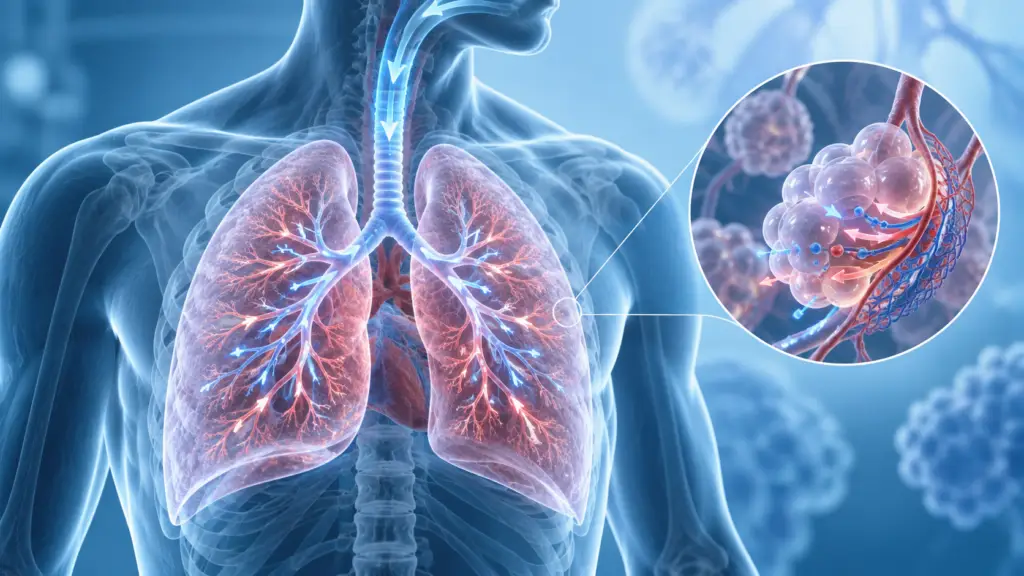
Unlike most foods, alcohol does not need to be digested before entering your bloodstream.
After you take a drink, ethanol—the type of alcohol found in alcoholic beverages—begins passing through the walls of your stomach and small intestine into your blood.
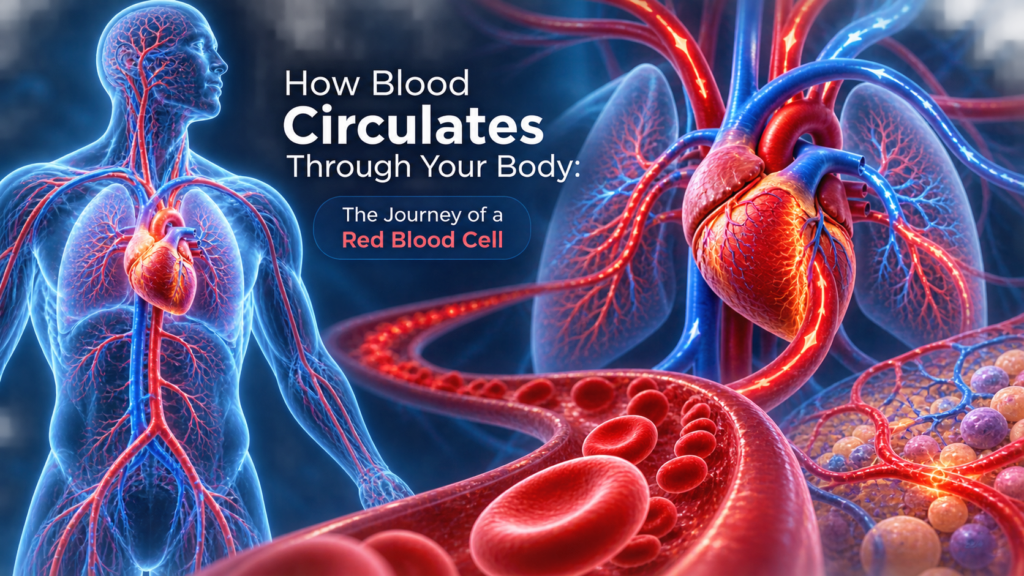
Your bloodstream then carries alcohol throughout your body, allowing it to reach your brain and other organs relatively quickly.
Several factors determine how rapidly alcohol affects you, including:
- The amount and strength of the alcohol consumed.
- How quickly you drink.
- Whether you have eaten beforehand.
- Your body composition, biological sex, and individual metabolism.
- Medications and existing medical conditions.
Drinking on an empty stomach generally leads to faster alcohol absorption and a quicker rise in blood alcohol concentration (BAC).
As alcohol enters your bloodstream, your liver begins processing it. However, when alcohol is consumed faster than your body can eliminate it, its concentration in your blood continues to rise.
The long-term alcohol effects on the body depend on drinking patterns, overall health, and individual risk factors.
How Alcohol Affects Your Brain
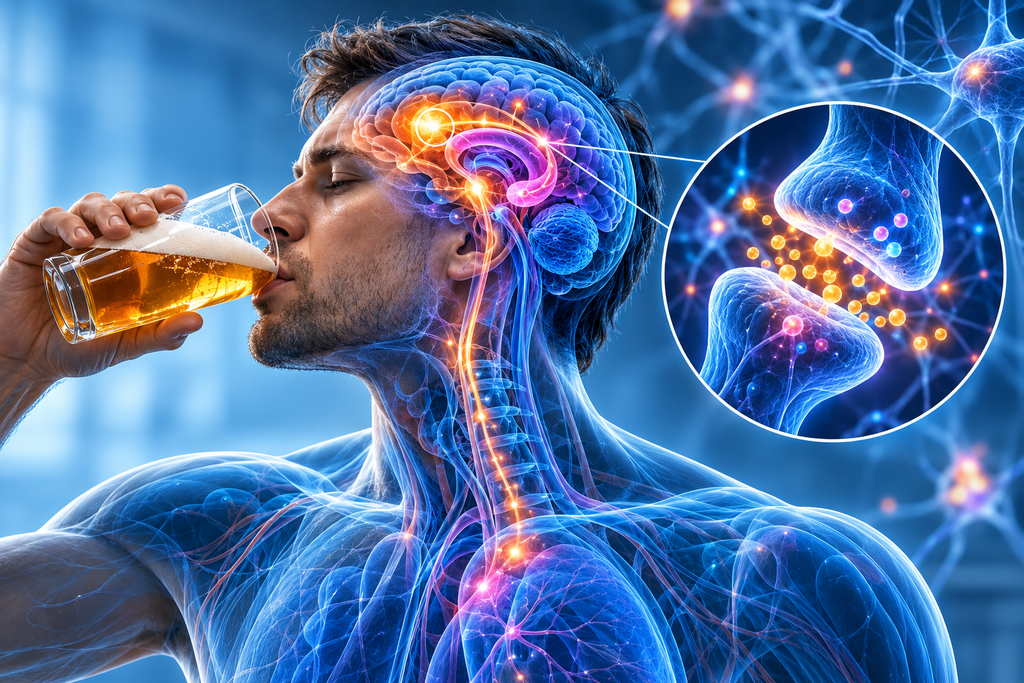
Your brain is one of the first organs affected by alcohol. Alcohol interferes with the communication between neurons by altering the activity of chemical messengers called neurotransmitters.
It enhances certain inhibitory signals, including those associated with GABA, while suppressing excitatory signaling involving glutamate. This slows communication within the central nervous system.
Why alcohol makes you feel relaxed
At first, alcohol may produce a feeling of relaxation, reduced anxiety, or increased confidence.
However, these sensations occur partly because alcohol reduces activity in brain regions responsible for judgment, impulse control, and behavioral regulation.
As blood alcohol concentration increases, you may experience impaired decision-making, slower reaction times, reduced coordination, and difficulty concentrating.
Higher concentrations can cause slurred speech, memory blackouts, severe confusion, and loss of consciousness.
Alcohol can also interfere with the brain’s control of vital functions. In severe intoxication, breathing and other essential functions may become dangerously suppressed.
The effects on the brain are particularly concerning during adolescence, when important neurological development is still taking place.
What Alcohol Does to Your Liver
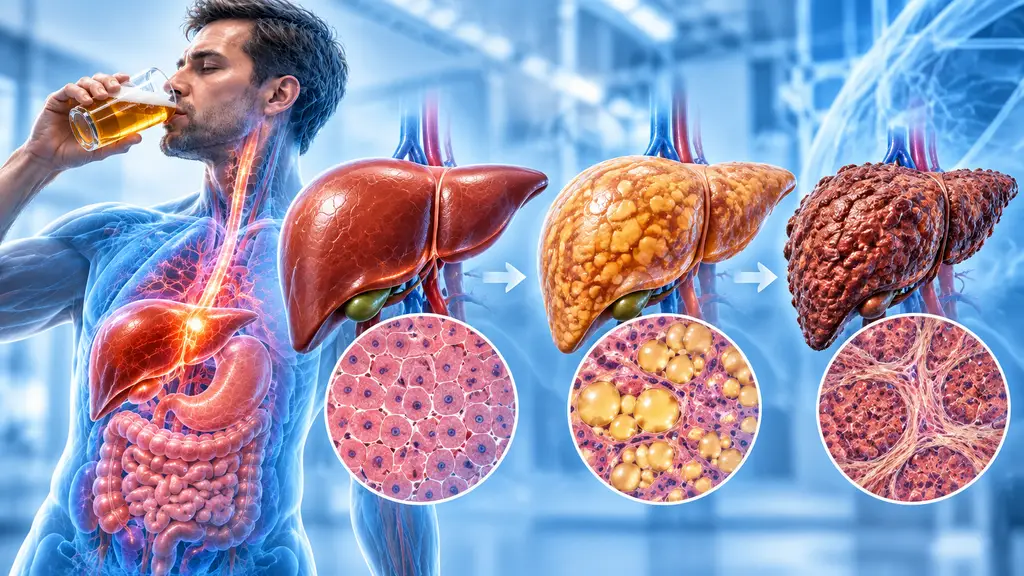
Your liver performs most of the work involved in breaking down alcohol. When you drink alcohol, your liver converts ethanol into acetaldehyde, a toxic substance that can damage liver cells. Acetaldehyde is then broken down into acetate, which the body can further metabolize and eliminate.
Can alcohol permanently damage the liver?
Repeated heavy drinking increases the risk of three major liver conditions:
- Alcohol-associated fatty liver disease: Excess fat accumulates in liver cells. Early changes may improve after alcohol consumption stops.
- Alcohol-associated hepatitis: Inflammation damages liver tissue and can become life-threatening.
- Cirrhosis: Progressive scarring permanently alters the liver’s structure and can eventually lead to liver failure.
Liver damage may develop without obvious symptoms. By the time jaundice, abdominal swelling, or severe fatigue appears, the disease may already be advanced.
How Alcohol Affects Your Heart and Blood Vessels
Alcohol can influence your cardiovascular system even during a single drinking session.

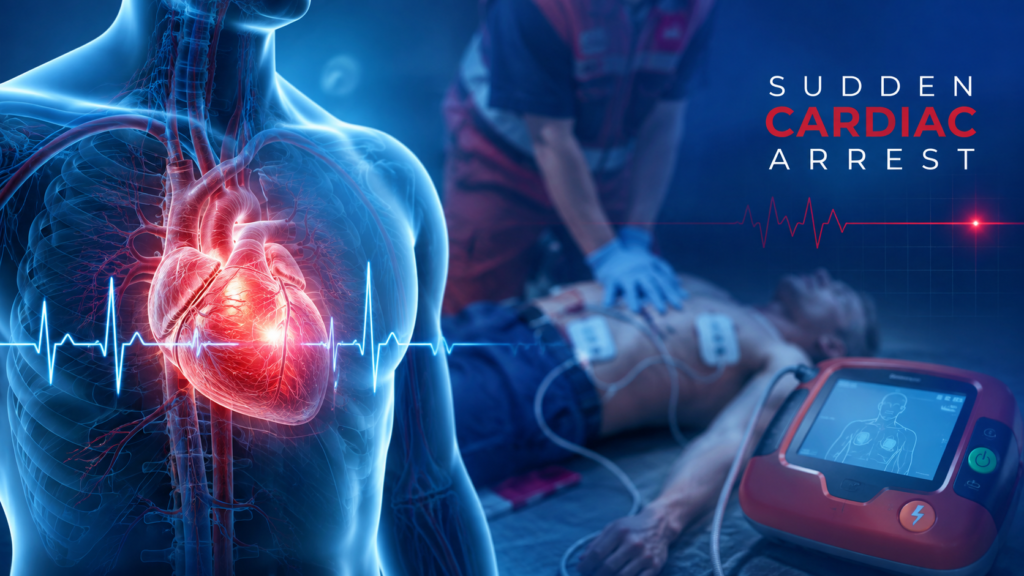
After drinking, your heart rate may increase, particularly as your body processes larger amounts of alcohol. Heavy drinking can also trigger an abnormal heart rhythm called atrial fibrillation, even in some otherwise healthy individuals. Episodes occurring after excessive drinking are sometimes referred to as holiday heart syndrome.
Over time, excessive alcohol consumption can contribute to:
- High blood pressure.
- Persistent cardiac arrhythmias.
- Weakening of the heart muscle, known as cardiomyopathy.
- An increased risk of stroke and other cardiovascular complications.
Although some older studies suggested cardiovascular benefits from moderate alcohol consumption, more recent research has questioned those findings. Alcohol should not be consumed as a strategy for protecting your heart.
What Happens to Your Stomach and Digestive System?
Alcohol comes into direct contact with your digestive tract.
It can irritate the stomach lining, increase acid secretion, and contribute to nausea, vomiting, or acid reflux.
Repeated excessive drinking may damage the intestinal barrier and alter the balance of bacteria living in your gut.
Alcohol also affects your pancreas, an organ responsible for producing digestive enzymes and hormones involved in blood sugar regulation.
Heavy alcohol use can trigger acute pancreatitis, a potentially life-threatening inflammation characterized by severe upper abdominal pain.
Repeated episodes may lead to chronic pancreatitis, permanently impairing digestion and increasing the risk of diabetes.
Why Alcohol Makes You Urinate More
Have you noticed that you need to use the bathroom more frequently after drinking?
Alcohol suppresses the release of vasopressin, also called antidiuretic hormone (ADH), which normally signals your kidneys to conserve water.
With less vasopressin available, your kidneys produce more urine.
This increased fluid loss can contribute to dehydration, thirst, headaches, and fatigue, especially when combined with inadequate fluid intake.
However, dehydration is only one factor behind a hangover. Inflammation, disrupted sleep, and irritation of the digestive system also contribute to how you feel the following day.
Alcohol and Sleep: Why You Wake Up Feeling Exhausted
Alcohol may help you fall asleep faster, but that does not mean it improves your sleep.
During the first part of the night, alcohol can suppress REM sleep, a stage associated with memory processing and emotional regulation.
As your body metabolizes alcohol, sleep becomes more fragmented, leading to frequent awakenings and reduced sleep quality.
Alcohol also relaxes the muscles surrounding your upper airway, potentially increasing snoring and worsening obstructive sleep apnea.
In people with sleep apnea, alcohol can increase breathing disturbances and contribute to lower oxygen levels during sleep.
Consequently, even after spending eight hours in bed, you may wake up feeling exhausted and mentally unfocused.
Alcohol, Blood Sugar, Hormones, and Recovery
Alcohol influences several processes involved in maintaining energy and supporting physical recovery.
Because the liver prioritizes alcohol metabolism, its ability to release glucose into the bloodstream may become impaired. This can contribute to hypoglycemia, particularly in people who have not eaten or who take certain diabetes medications.
Alcohol also provides approximately seven calories per gram without supplying essential nutrients.
Heavy drinking can interfere with hormonal regulation, disrupt muscle recovery, and impair immune function.
Over time, repeated excessive consumption may also contribute to insulin resistance, nutritional deficiencies, and difficulties maintaining healthy body composition.
For physically active individuals, disrupted sleep, dehydration, and impaired recovery can negatively affect training performance.
Even a single episode of heavy drinking can temporarily weaken certain immune defenses.
Alcohol and Diabetes: How Drinking Affects Blood Sugar
Alcohol can make blood sugar levels unpredictable, particularly in people living with type 1 or type 2 diabetes.
Some alcoholic beverages, including beer, sweet wines, and sugary cocktails, contain carbohydrates that can initially raise blood glucose levels. However, alcohol itself can have the opposite effect.
When you drink, your liver prioritizes breaking down alcohol, temporarily reducing its ability to produce and release glucose into the bloodstream. This can lead to hypoglycemia (low blood sugar), especially when drinking on an empty stomach.
People taking insulin or certain diabetes medications, such as sulfonylureas, face a particularly high risk. Alcohol-related hypoglycemia can develop several hours after drinking and may remain a concern for up to 24 hours.
Symptoms such as dizziness, confusion, sweating, and impaired coordination can resemble alcohol intoxication, making hypoglycemia difficult to recognize.
Long-term excessive drinking may also contribute to weight gain and increase the risk of developing type 2 diabetes.
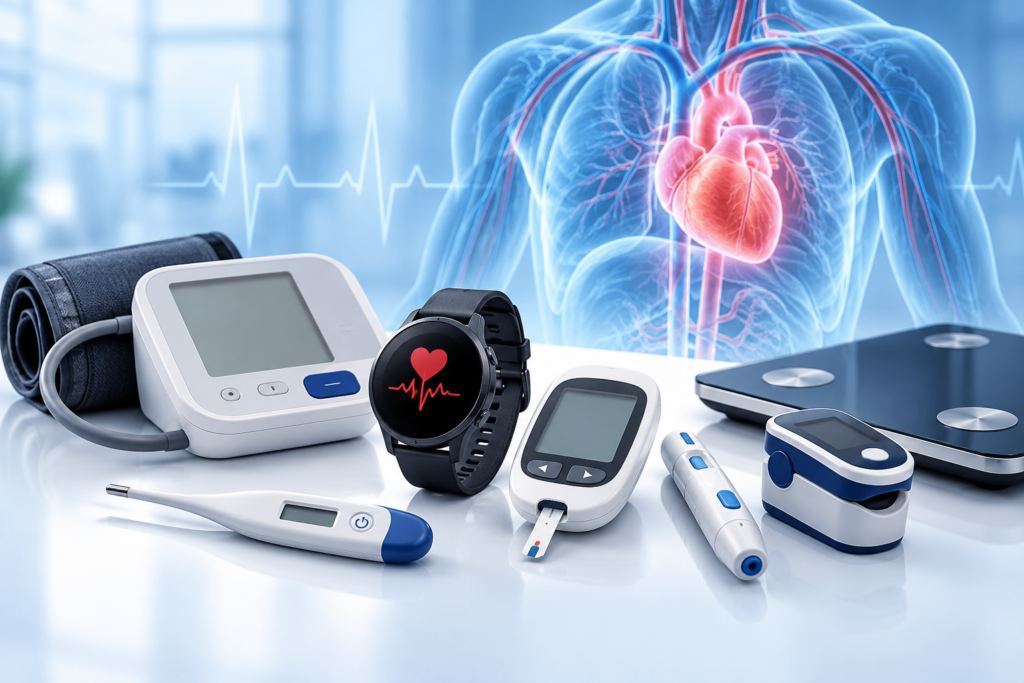
For people with diabetes, avoiding alcohol on an empty stomach, monitoring blood glucose, and discussing alcohol consumption with their healthcare provider are important precautions.
What Happens When You Drink Alcohol Regularly?
While many immediate effects disappear as alcohol leaves your bloodstream, repeated exposure can produce cumulative damage.
Long-term excessive drinking increases the risk of liver disease, cardiovascular complications, neurological damage, pancreatitis, and alcohol use disorder.
One of the most important long-term risks is cancer.
Alcohol is classified as a Group 1 carcinogen by the International Agency for Research on Cancer. This means there is sufficient evidence that it causes cancer in humans.
Alcohol consumption increases the risk of at least seven cancer types, including cancers of the mouth, throat, larynx, esophagus, liver, breast, and colorectum.
Importantly, cancer risk is not limited to heavy drinking. Even relatively small amounts can increase the risk of certain cancers.
In general, the more alcohol you consume, the greater your risk of alcohol-related harm. Reducing consumption can lower several of these risks
When Does Alcohol Become Dangerous?
Recognizing Alcohol Poisoning
Alcohol poisoning occurs when excessive amounts of alcohol suppress vital functions, including breathing, heart rate, and temperature regulation.
Warning signs include severe confusion, repeated vomiting, seizures, loss of consciousness, and slow or irregular breathing.
If you suspect alcohol poisoning, call emergency services immediately. Do not assume the person will recover by sleeping.
Stay with them. If they are unconscious but breathing normally, place them in the recovery position. If they are not breathing normally, begin CPR and follow the emergency dispatcher’s instructions.
Never give an unconscious person food, water, or coffee, and do not attempt to induce vomiting.
Combining alcohol with opioids, benzodiazepines, or other sedating medications substantially increases the risk of dangerous respiratory depression.
Blood alcohol concentration can continue to rise after someone stops drinking because alcohol may still be entering the bloodstream from the digestive tract.
How Can You Reduce Alcohol-Related Health Risks?
The most effective way to avoid alcohol-related harm is not to drink. If you choose to drink, consuming less and avoiding heavy drinking can lower your risks.
Be aware of how much alcohol your beverage actually contains.
For example, one US standard drink contains approximately 14 grams of pure alcohol, equivalent to 355 mL of regular beer, 148 mL of wine, or 44 mL of spirits at their typical strengths. Standard drink definitions vary between countries.
Avoid alcohol when driving, during pregnancy, or when taking medications that interact with it.
People who drink heavily every day may develop physical dependence. In such cases, suddenly stopping alcohol can cause dangerous withdrawal symptoms, including seizures. Medical guidance is important before attempting withdrawal.
Final Thoughts
Alcohol affects far more than your mood. From its immediate effects on the brain to its long-term impact on the heart, liver, digestive system, and cancer risk, every organ responds differently to alcohol exposure.
Understanding alcohol effects on the body can help you recognize potential health risks and make informed decisions about drinking.
CHEERS!
Frequently Asked Questions
Can drinking water help your body eliminate alcohol faster?
No. Drinking water may help prevent or reduce dehydration, but it does not significantly accelerate alcohol metabolism. Your liver needs time to process alcohol.
Is red wine healthier than other alcoholic beverages?
Red wine contains certain plant compounds, but that does not eliminate the risks associated with ethanol. All alcoholic beverages can increase cancer risk.
What happens to your body when you stop drinking alcohol?
Reducing or stopping alcohol consumption may improve sleep, blood pressure, and liver health. The extent of recovery depends on your previous drinking habits and whether permanent organ damage has occurred.
Can one night of heavy drinking damage your body?
Yes. A single episode can cause alcohol poisoning, injuries, cardiac arrhythmias, or acute pancreatitis. Serious complications do not require years of excessive drinking.
Medical sources
- Alcohol’s Effects on the Body | National Institute on Alcohol Abuse and Alcoholism
- Alcohol Metabolism | National Institute on Alcohol Abuse and Alcoholism (NIAAA)
- Alcohol and cancer — World Health Organization, November 2025.
- Alcohol and Cancer | Cancer | CDC — Centers for Disease Control and Prevention, January 2026.
- Understanding the Dangers of Alcohol Overdose | National Institute on Alcohol Abuse and Alcoholism