Introduction
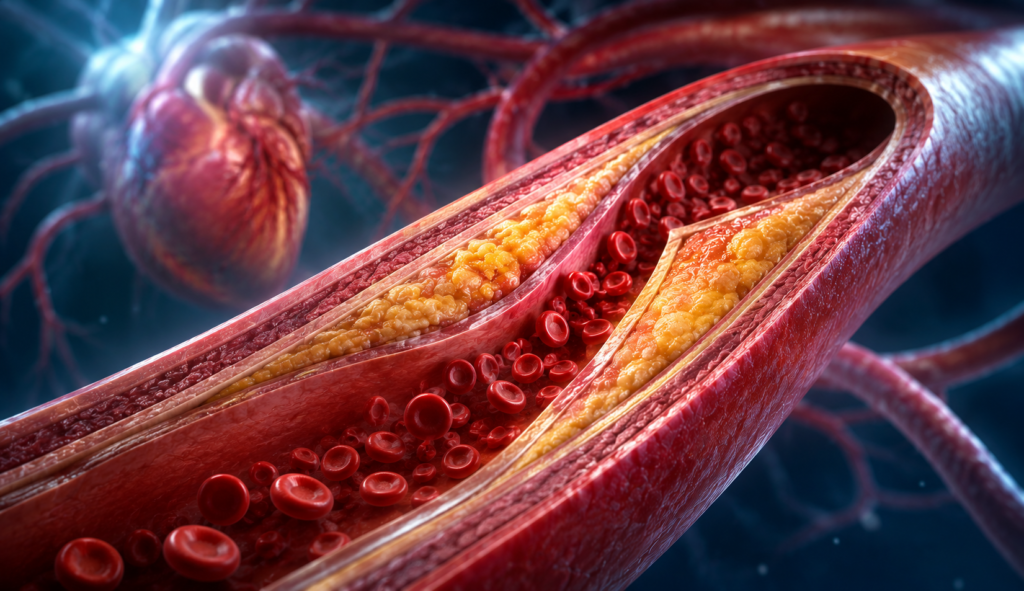
VO2 max is one of the most important indicators of cardiorespiratory fitness. It measures the maximum amount of oxygen your body can use during intense exercise, reflecting how effectively your heart, lungs, and muscles work together. Understanding this measurement can help you evaluate your aerobic capacity, improve endurance, and monitor your fitness progress.
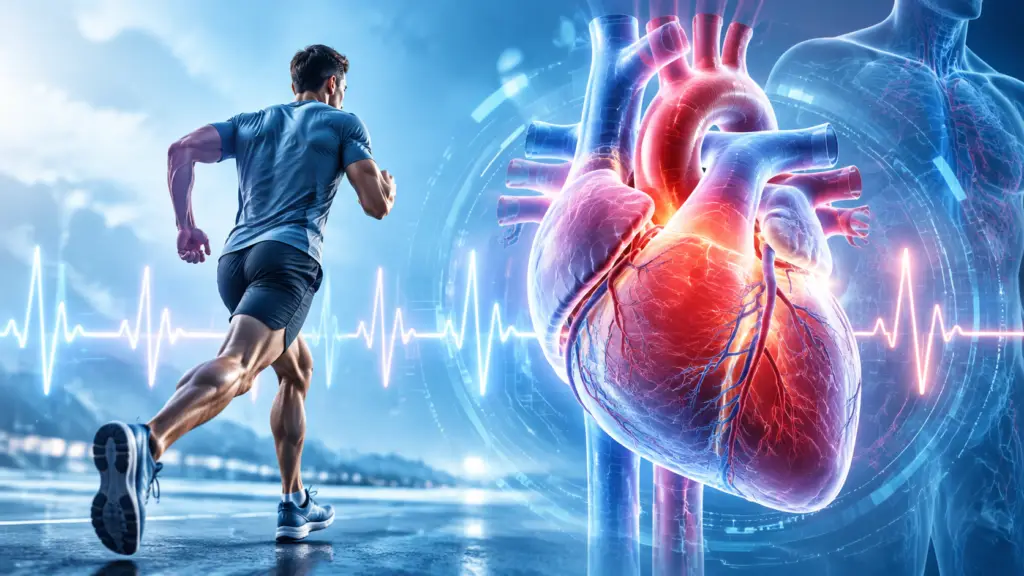
VO₂ max is considered one of the best measurements of cardiorespiratory fitness because it shows how efficiently your body can take in, transport, and use oxygen during intense exercise.
Your heart, lungs, blood vessels, and muscles all work together to deliver oxygen where it is needed. The better this system functions, the more efficiently your body can produce energy and maintain physical effort.
Although VO₂ max has traditionally been used by elite athletes, it is now widely available through smart watches and fitness trackers, making it a useful metric for anyone interested in improving health, endurance, and long-term fitness.
What Is VO₂ Max?
VO₂ max represents the maximum amount of oxygen your body can use during intense physical activity.
The term comes from:
- V = volume
- O₂ = oxygen
- Max = maximum capacity
It is usually expressed as:
milliliters of oxygen used per kilogram of body weight per minute (ml/kg/min).
For example, a VO₂ max value of 50 ml/kg/min means that a person can use 50 milliliters of oxygen per kilogram of body weight every minute during maximal effort.
A higher VO₂ max generally indicates a more efficient cardiovascular system and better aerobic capacity.
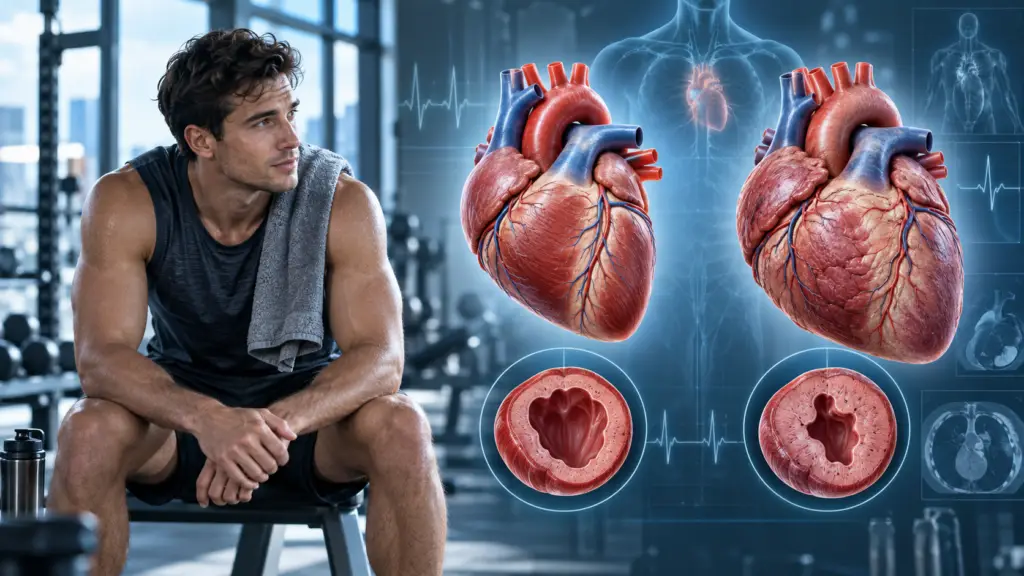
However, VO₂ max is not only about athletic performance. It also reflects how effectively your body’s transport system works:
- how well your lungs exchange oxygen,
- how efficiently your heart pumps blood,
- how effectively your muscles use oxygen for energy production.
How Does Your Body Use Oxygen During Exercise?
During exercise, your body increases its demand for oxygen. Working muscles require more energy, and oxygen plays a central role in producing that energy.
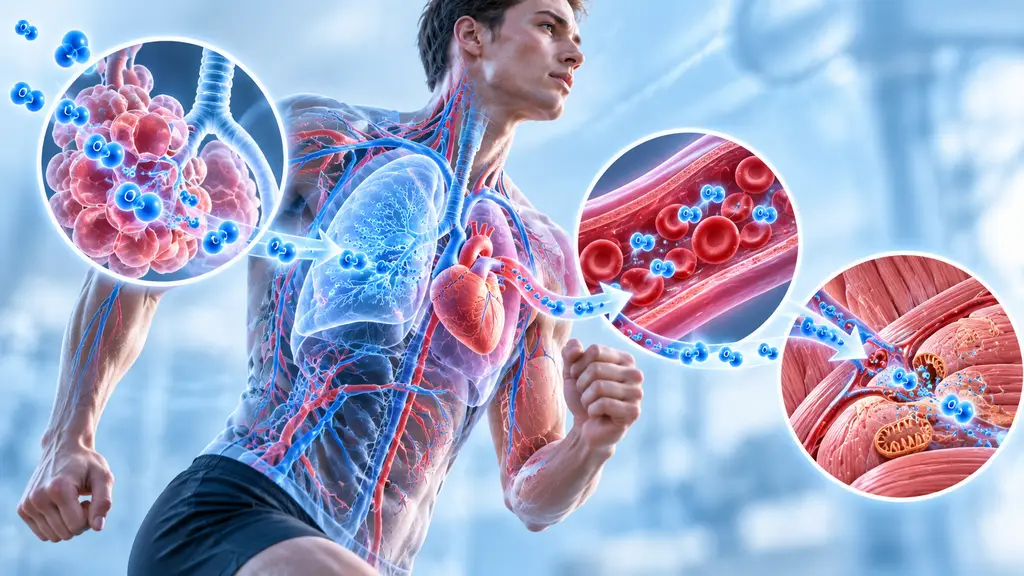
The process involves several systems working together:
1. The Lungs
When you breathe in, oxygen enters the lungs and moves into the bloodstream through tiny air sacs called alveoli.
2. The Bloodstream
Red blood cells carry oxygen using hemoglobin, transporting it from the lungs to the rest of the body.
3. The Heart
The heart pumps oxygen-rich blood through the arteries to active muscles.
4. The Muscles
Inside muscle cells, mitochondria use oxygen to produce energy needed for movement.
This entire pathway is often called the oxygen delivery system.
A limitation anywhere in this process can affect exercise capacity and reduce aerobic capacity.
Why Is VO₂ Max Important?
A Measure of Cardiovascular Fitness
VO₂ max provides insight into how efficiently your cardiovascular system works.
A person with a higher VO₂ max usually has:
- a stronger ability to sustain exercise,
- better oxygen delivery,
- improved endurance capacity.
It reflects the combined performance of the heart, lungs, blood vessels, and muscles.
Exercise Performance
For endurance athletes, VO₂ max is one of the key factors influencing performance.
Activities such as:
- running,
- cycling,
- swimming,
- hiking,
depend heavily on the body’s ability to continuously supply oxygen.
A higher VO₂ max allows the body to maintain higher exercise intensity before fatigue develops.
Long-Term Health
Cardiorespiratory fitness is closely connected with overall health.
Maintaining good aerobic fitness can support:
- cardiovascular function,
- metabolic health,
- healthy aging,
- daily physical performance.
VO₂ max is therefore not only an athlete measurement — it is also a reflection of how well your body functions.
What Factors Affect VO₂ Max?
Aerobic capacity varies significantly between individuals. Several factors influence your score.
Genetics
Genetics plays an important role in determining your natural aerobic capacity.
Some people naturally have a higher aerobic capacity due to differences in:
- heart size,
- lung capacity,
- muscle composition,
- oxygen transport ability.
However, genetics is only one part of the picture.
Age
Maximum oxygen uptake typically decreases with age.
This is related to changes such as:
- reduced maximum heart rate,
- changes in muscle mass,
- reduced cardiovascular efficiency.
Regular exercise can slow this decline and help maintain fitness.
Training Level
Physical activity is one of the strongest influences on maximum oxygen uptake.
Endurance-focused training can improve:
- heart efficiency,
- blood vessel function,
- muscle oxygen utilization.
Consistent training over time produces greater adaptations.
Body Composition
Because aerobic capacityis calculated relative to body weight, body composition can influence the number.
A person with more muscle mass and lower excess body fat may have a different aerobic capacity value compared with someone with the same cardiovascular ability but higher body weight.
How Is VO2 Max Measured?
Laboratory Testing VO2
Laboratory testing provides the most accurate measurement of VO2 max by directly analyzing oxygen consumption and carbon dioxide production during progressively intense exercise.
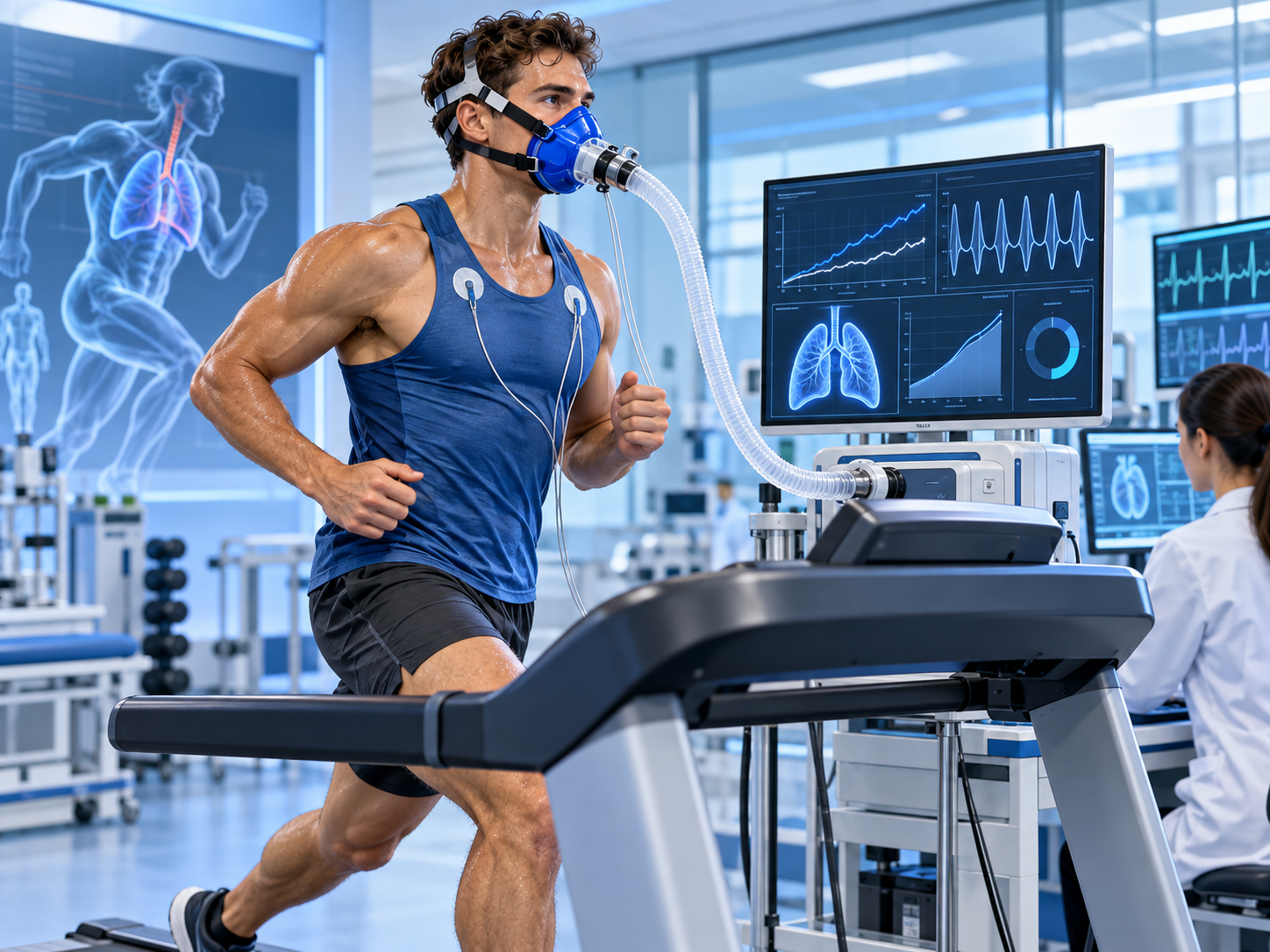
During this test, a person exercises on a treadmill or stationary bike while wearing a special mask that measures:
- oxygen intake,
- carbon dioxide production,
- breathing patterns.
The intensity gradually increases until the person reaches their maximum effort.
This method provides a direct measurement but requires specialized equipment.
Smart Watches and Fitness Trackers
Modern wearable devices can estimate aerobic capacity using:
- heart rate data,
- exercise intensity,
- movement patterns,
- GPS information.
Devices from brands such as Garmin, Apple Watch, Samsung Galaxy Watch, and others use algorithms to calculate an estimated value.
These measurements are useful for tracking changes over time, but they are not identical to laboratory testing.
The most important factor is often the trend:
Is your fitness improving, staying stable, or declining?
What Is a Good VO₂ Max?
A “good” VO₂ max depends on several factors:
- age,
- sex,
- genetics,
- training history.
General examples for younger adults:
- Excellent: above approximately 50 ml/kg/min
- Good: around 40–50 ml/kg/min
- Average: around 30–40 ml/kg/min
- Lower fitness level: below this range
These values are only general references and should not be interpreted as a medical diagnosis.
A person does not need an elite athlete-level VO₂ max to have good health.
How to Improve VO2 Max
Improving VO2 max requires consistent aerobic training, gradual progression, and sufficient recovery.
1. Interval Training
High-intensity intervals are one of the most effective methods.
Example:
- several minutes of intense effort,
- followed by recovery periods,
- repeated several times.
This challenges the cardiovascular system and encourages adaptation.
2. Zone 2 Training
Moderate-intensity aerobic training is another important approach.
Zone 2 training usually involves exercising at a pace where you can still maintain conversation but your breathing is elevated.
Benefits include:
- improved aerobic efficiency,
- better mitochondrial function,
- increased endurance.
Your heart rate plays an important role in identifying training intensity.
(Internal link: Heart Rate Explained article)
3. Strength Training
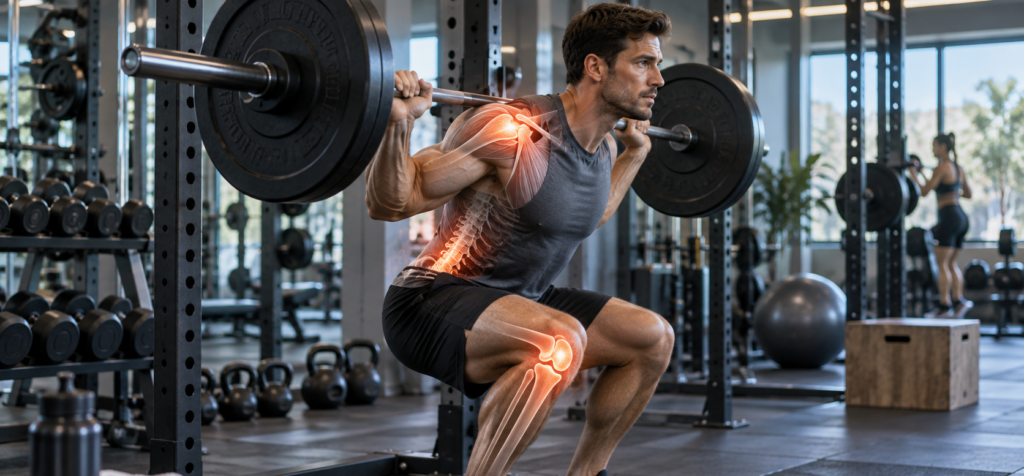
Although VO₂ max is mainly associated with aerobic fitness, resistance training also contributes to overall performance.
Strength training can improve:
- movement efficiency,
- muscle function,
- injury resistance.
A balanced fitness program combines both cardiovascular and strength exercises.
4. Recovery and Sleep
Fitness improvements happen during recovery, not only during training.
Poor sleep, excessive fatigue, and inadequate recovery can negatively affect exercise performance.
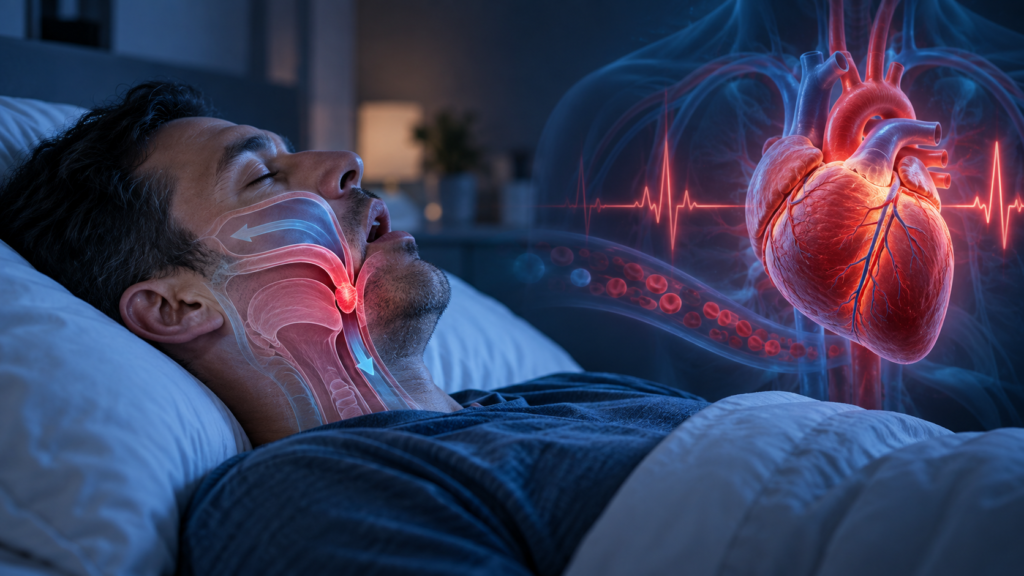
Conditions such as sleep apnea may also influence cardiovascular health and exercise capacity.
Can Smart Watches Accurately Measure VO₂ Max?
Wearable technology has made VO₂ max tracking available to millions of people.
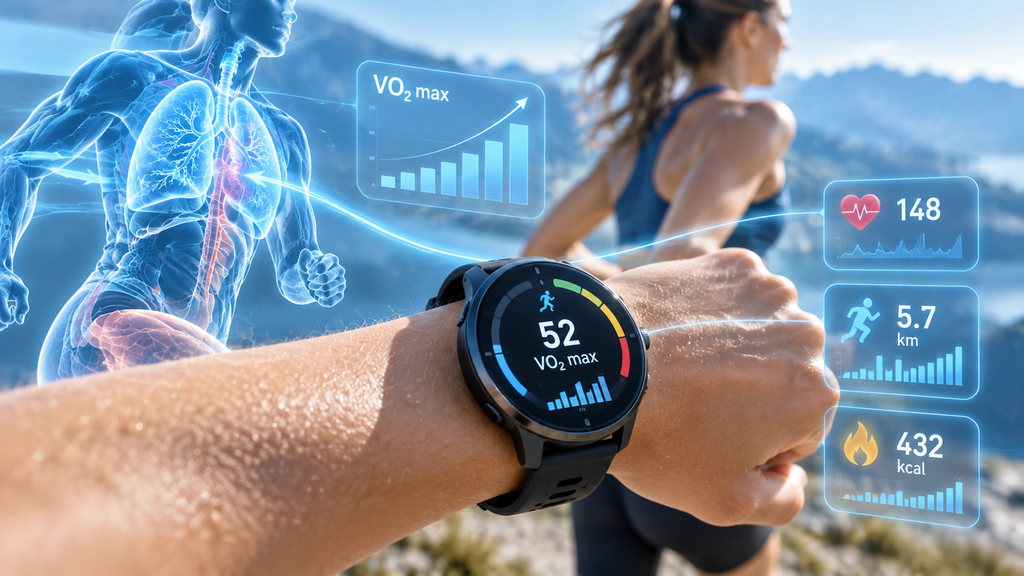
Smart watches can be valuable because they allow users to:
- monitor fitness progress,
- observe long-term trends,
- understand training responses.
However, estimated cardiorespiratory fitnessvalues can be affected by: sensor accuracy, training conditions, algorithm differences, exercise type.
Modern smartwatches estimate VO₂ max using heart rate and exercise data, helping users monitor aerobic fitness and track progress over time. These estimates are useful for tracking trends but do not replace laboratory testing.
When Should You Pay Attention to Changes in VO₂ Max?
A gradual change in Improving maximum oxygen uptake requires consistent training and proper recovery.
can be normal depending on:
- training routine,
- age,
- lifestyle factors.
However, a significant unexpected decline may indicate changes in fitness, recovery, or health status.
If you notice:
- unexplained loss of exercise capacity,
- unusual shortness of breath,
- reduced endurance compared with your normal level,
it may be worth discussing with a healthcare professional.
Conclusion
VO₂ max is more than just a number used by professional athletes. It represents how effectively your body works as a complete system — from your lungs and heart to your muscles and energy production.
Improving Improving maximum oxygen uptake requires consistent training and proper recovery.
requires a combination of regular exercise, proper recovery, and a balanced approach to fitness.
Whether you are an athlete or simply someone looking to improve long-term health, understanding aerobic capacity can help you better understand your body and make smarter training decisions.
FAQ
What does VO₂ max mean?
VO₂ max measures the maximum amount of oxygen your body can use during intense exercise and reflects your cardiorespiratory fitness.
Can VO₂ max improve with training?
Yes. Regular aerobic exercise, interval training, and consistent fitness routines can improve VO₂ max.
Is a higher VO₂ max always better?
A higher VO₂ max generally indicates better aerobic capacity, but the ideal value depends on age, genetics, and individual goals.
Can a smartwatch measure VO₂ max?
Smart watches estimate VO₂ max using heart rate and activity data. They are useful for tracking trends but are not as accurate as laboratory testing.
Is VO₂ max more important than heart rate?
They measure different things. Heart rate shows how hard your heart is working, while VO₂ max reflects how efficiently your body uses oxygen during exercise.
Sources
- Importance of Assessing Cardiorespiratory Fitness in Clinical Practice: A Case for Fitness as a Clinical Vital Sign: A Scientific Statement From the American Heart Association – PubMed
- American Thoracic Society | Cardiopulmonary Exercise Testing (CPET) Cardiopulmonary Exercise Testing (CPET)
- Garmin VO2 Max Requirements | Garmin Customer Support