Introduction
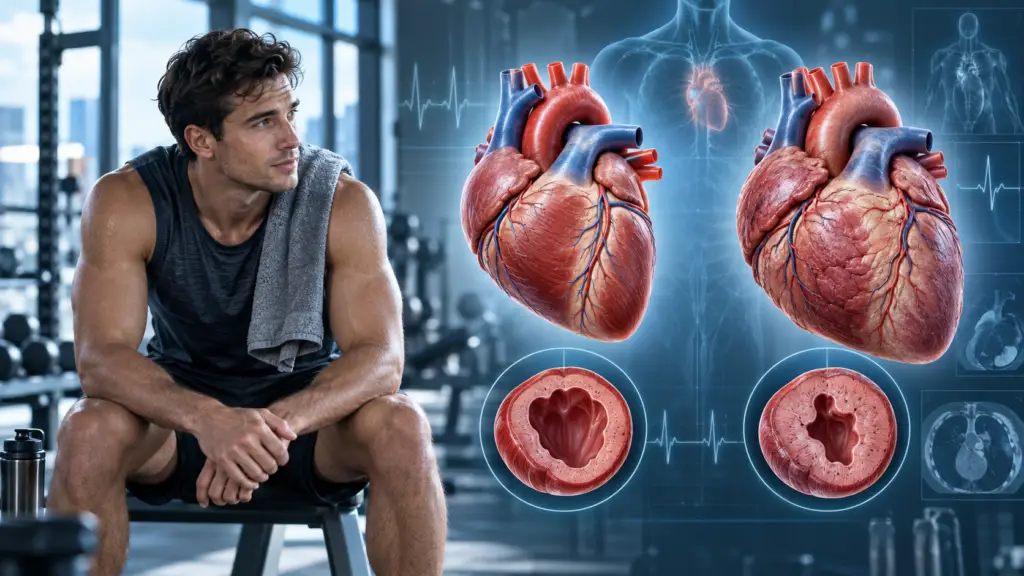
Can you exercise with a cold or fever? The answer depends on your symptoms, the severity of your illness, and the type of physical activity you plan to perform.
While a mild cold without fever may allow gentle exercise, fever, significant fatigue, and more severe symptoms are important reasons to rest.
For many people, especially those who exercise regularly, missing a workout can feel frustrating. However, training while sick is not always a good idea.
A mild cold without fever may allow gentle physical activity, while fever, significant fatigue, and more severe symptoms are clear reasons to rest.
Understanding how illness affects the body can help you make safer decisions, avoid unnecessary strain, and return to your normal exercise routine with confidence.
Is It Safe to Exercise With a Cold or Fever?
Whether exercise is appropriate depends on your symptoms, how you feel, and the intensity of the activity.
As a general guide:
- Mild runny nose or nasal congestion: Light activity may be acceptable if you otherwise feel well.
- Minor sore throat without other symptoms: Gentle exercise may be tolerated, but monitor how you feel.
- Fever, chills, or widespread muscle aches: Avoid exercise and prioritize recovery.
- Significant fatigue, chest symptoms, or breathing difficulties: Do not exercise until the cause has been assessed and you have recovered appropriately.
Having enough energy to exercise does not necessarily mean that your body is ready for a demanding workout.
During illness, the priority should be recovery rather than maintaining your usual training performance.
What Happens to Your Body During an Infection?
How Your Body Responds to Infection
When a respiratory virus enters the body, the immune system activates its defenses to control the infection.
Immune cells recognize the virus and release chemical signals that trigger inflammation and coordinate the body’s immune response.

This process contributes to common symptoms such as nasal congestion, sore throat, coughing, fatigue, and fever. During a more significant infection, the body may also experience an increased heart rate, greater fluid loss, and reduced exercise tolerance. These changes help explain why physical activity can feel more demanding when you are sick.
At the same time, your body may experience several physiological changes:
- Increased heart rate: Fever and illness can cause the heart to beat faster, even at rest.
- Higher fluid requirements: Fever, sweating, and reduced fluid intake can contribute to dehydration.
- Reduced physical performance: Fatigue and muscle discomfort can make normal activities feel more demanding.
- Greater need for recovery: Your body is already dealing with the physical demands of infection.
Exercise also increases heart rate, oxygen demand, breathing, and heat production.
When combined with a significant infection, these additional demands may become difficult to tolerate.
This is why the severity of your symptoms matters more than your motivation to train.
To understand how illness and physical activity influence your pulse, explore our article Heart Rate Explained: What Your Pulse Can Tell You About Your Health.
The Above-the-Neck Rule: When Light Exercise May Be Safe
One commonly used guideline is the above-the-neck rule. The decision to exercise with a cold or fever should not rely on symptom location alone. Fever, unusual fatigue, and worsening symptoms are important reasons to avoid training.
It suggests that gentle physical activity may be reasonable when symptoms are mild and limited to the nose or throat.
Examples include:
- Runny nose
- Sneezing
- Mild nasal congestion
- Minor sore throat
If you have no fever, feel reasonably energetic, and your symptoms are not worsening, light exercise may be acceptable.
Which Activities Are Better?
Choose activities that do not place excessive demands on your body.
Walking, gentle stretching, mobility exercises, and easy cycling are generally better options than intense training.
Reduce both the duration and intensity of your usual workout.
Avoid sprinting, high-intensity interval training, exhausting endurance sessions, and heavy lifting until you have recovered.
However, the above-the-neck rule has limitations.
It is a practical guideline, not a reliable method of determining how serious an infection is.
Some respiratory infections initially cause mild symptoms before progressing to fever or more significant illness.
If you feel unusually weak, your symptoms worsen, or the activity feels harder than expected, stop and rest.
Why You Should Avoid Exercise With a Fever
Fever is one of the clearest signs that your body needs recovery time. If you are wondering whether to exercise with a cold or fever, remember that fever is a clear reason to postpone physical activity until you have recovered.
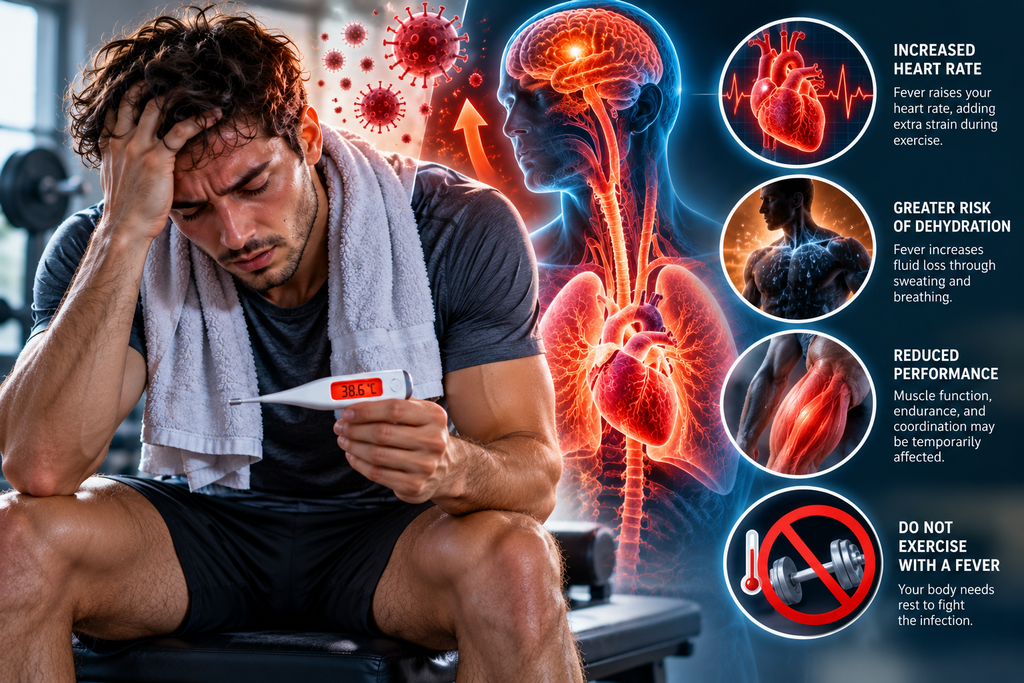
A body temperature of approximately 37.5 °C (99.5°F) or higher is generally considered a fever in adults, although normal temperature and measurement methods can vary. During fever, the body’s temperature regulation changes as part of the immune response.
Exercising in this condition creates several concerns.
Increased Cardiovascular Stress
Fever commonly raises resting heart rate.
Physical exercise increases it further because working muscles require more oxygen and nutrients.
Combining these demands can place unnecessary strain on the cardiovascular system, particularly during a more significant infection.
Greater Risk of Dehydration
Fever can increase fluid losses through sweating and evaporation.
Exercise adds further fluid loss, especially in warm conditions.
Dehydration may cause dizziness, weakness, reduced exercise tolerance, and difficulty regulating body temperature.
Reduced Exercise Performance
Fever and systemic illness can temporarily affect muscle function, coordination, and endurance.
A workout that normally feels comfortable may become unusually demanding.
Continuing to train intensely despite these symptoms provides little benefit and introduces unnecessary risks.
Do not exercise with a fever, even if you feel capable of completing your usual workout.
Taking medication to reduce your temperature does not make strenuous exercise safe.
When Other Symptoms Mean You Should Rest
Fever is not the only reason to avoid exercise.
Symptoms such as widespread muscle aches, marked exhaustion, persistent heavy coughing, chest discomfort, dizziness, or gastrointestinal illness may indicate that your body is dealing with more than a minor cold.
Influenza and COVID-19, for example, can cause significant fatigue and systemic symptoms, even when fever is absent.
In these situations, strenuous exercise should be postponed.
People with existing heart or lung conditions, weakened immune systems, or other significant health problems may need additional precautions and individualized medical advice.
The absence of fever does not automatically mean that exercise is safe.
Can Exercising While Sick Make Your Cold Worse?
The effect of exercise during illness depends on the severity of the infection and the physical demands of the activity. Research suggests that moderate exercise does not necessarily worsen an uncomplicated common cold.
In one controlled study involving rhinovirus infection, moderate exercise did not significantly increase the duration or severity of cold symptoms. However, this finding does not apply to every respiratory infection or justify strenuous training during significant illness.
There is also no convincing evidence that exercising while sick makes respiratory viruses disappear faster.
You may temporarily feel better after gentle movement, particularly if activity helps relieve nasal congestion.
But feeling better for a short period is not the same as recovering from the infection. Sweating out a cold is a myth. Exercise does not eliminate the virus through perspiration.
Can Exercising With an Infection Affect Your Heart?
Most common colds resolve without serious complications. However, some viral infections can occasionally affect the heart. One important condition is myocarditis, an inflammation of the heart muscle.
Although uncommon, myocarditis may interfere with normal heart function or cause abnormal heart rhythms.
Possible symptoms include:
- Chest pain or pressure
- Unexplained shortness of breath
- Palpitations or an irregular heartbeat
- Unusual weakness or exercise intolerance
- Dizziness or fainting
Intense exercise during active myocarditis can increase the risk of serious complications.
This does not mean that an ordinary cold is likely to cause heart inflammation. Most people recover without developing myocarditis.
Nevertheless, new chest pain, significant palpitations, or unexplained breathlessness during or after an infection should never be ignored.
Stop exercising and seek medical evaluation if these symptoms develop. Severe chest pain, serious breathing difficulty, or fainting requires emergency medical attention.
How to Return to Exercise After a Cold or Fever
Deciding when to exercise with a cold or fever also means understanding when your body is ready to return to physical activity safely.

After a cold or fever, exercise should be resumed step by step rather than all at once. A gradual return allows your body to assess how well it has recovered and helps reduce the risk of excessive fatigue, worsening symptoms, or poor exercise tolerance. Recovery should guide progression, not the desire to immediately return to full performance.
Step 1: Wait Until Your Fever Has Resolved
Do not resume training while you have a fever or while taking fever-reducing medication to suppress it.
Being fever-free for at least 24 hours without medication, with symptoms improving overall, is a useful minimum precaution.
However, this is not an automatic clearance for intensive exercise.
If you remain exhausted or experience other significant symptoms, allow more recovery time.
Step 2: Begin With Light Activity
Start with walking, gentle cycling, or a short, comfortable exercise session.
For athletes recovering from mild respiratory infections, IOC guidance describes an initial exercise assessment of approximately 10–20 minutes at a reduced intensity.
For most people, the practical approach is simple: choose an easy activity that allows you to breathe comfortably and speak normally.
Avoid trying to match your pre-illness performance.
Step 3: Pay Attention to Your Body
Monitor how you feel during exercise, immediately afterward, and over the following 24 hours.
Stop if you experience:
- Unusual fatigue
- Chest discomfort
- Dizziness
- Excessive breathlessness
- Palpitations
- Worsening symptoms
If concerning symptoms develop, seek medical assessment before returning to training.
A fitness watch may help you notice unusual heart rate trends, but it cannot confirm that an infection has resolved or rule out heart complications.
Learn more about the limitations of wearable heart rate measurements in our article Smartwatches and Heart Rate Monitoring: How Accurate Are They?
Step 4: Increase Your Training Gradually
If light activity feels comfortable and does not worsen your symptoms, progressively increase exercise duration and intensity.
There is no universal number of days required to return to full training.
Someone recovering from a mild cold may progress relatively quickly, while recovery from influenza, pneumonia, or another more serious infection can take longer.
Following a moderate or severe illness, medical guidance may be necessary before resuming demanding exercise.
Should You Go to the Gym With a Mild Cold?
Even if you feel capable of exercising, visiting a public gym while contagious is not recommended.
Respiratory viruses can spread through infectious particles released during breathing, speaking, coughing, and sneezing.
The CDC recommends staying home when experiencing respiratory virus symptoms until, for at least 24 hours, symptoms have been improving overall and fever has been absent without fever-reducing medication.
Additional precautions are recommended for the following five days because transmission may still be possible. These public health recommendations do not determine whether someone is ready for strenuous exercise.
If your illness is mild and you feel well enough to move, consider gentle activity at home rather than exposing others at the gym.
Will a Few Days Without Exercise Affect Your Fitness?
A short break from training is unlikely to erase meaningful long-term fitness progress.
Muscle strength and cardiovascular endurance develop through consistent activity over time. Missing several workouts generally has a much smaller impact than many people expect.
During illness, temporary dehydration, poor sleep, reduced food intake, and fatigue can make performance feel worse.
This does not necessarily mean that you have lost substantial muscle mass or physical conditioning.
Trying to compensate for missed sessions with unusually intense workouts can create additional strain during recovery.
A few days of rest are part of responsible training, not a failure of consistency.
For a closer look at cardiovascular fitness, read VO₂ Max Explained: The Key Measure of Cardiorespiratory Fitness.
When Should You Seek Medical Attention?
Most uncomplicated colds improve with time and supportive care.
However, medical evaluation is important if you experience persistent or returning fever, worsening respiratory symptoms, significant weakness, or recovery that takes longer than expected.
Seek urgent medical attention for severe chest pain, significant breathing difficulty, fainting, or other serious symptoms.
People at higher risk of complications from influenza or COVID-19 should seek medical advice early, as specific treatments may be most effective when started promptly.
Frequently Asked Questions
Can I lift weights with a cold?
Light resistance exercise may be tolerated if your symptoms are mild, you have no fever, and you otherwise feel well. Heavy lifting, maximal attempts, and training to exhaustion should be postponed until recovery.
Can I exercise with a sore throat?
A minor sore throat without fever or other concerning symptoms may not require complete inactivity. However, a severe sore throat, difficulty swallowing, or worsening illness warrants rest and potentially medical evaluation.
Can I work out the day after my fever disappears?
Not necessarily. Wait until you have been fever-free for at least 24 hours without medication and your symptoms are improving. Resume with gentle activity only when you feel sufficiently recovered.
Does exercise strengthen the immune system?
Regular moderate physical activity supports overall health and healthy immune function. However, its long-term benefits do not mean that exercising during an acute infection will speed up recovery.
Is walking beneficial during recovery?
Gentle walking can be a reasonable first step once you feel well enough, provided you have no fever or concerning symptoms. It allows you to assess your tolerance for movement without placing excessive demands on your body.
Final Thoughts
Knowing whether to exercise with a cold or fever requires understanding your symptoms, recognizing warning signs, and respecting your body’s need for recovery.
Mild cold symptoms without fever may allow gentle movement, but fever, significant fatigue, muscle aches, and chest symptoms are important reasons to avoid training.
Once you begin to recover, return gradually and pay attention to how your body responds.
Your long-term health and fitness depend on consistent training, but knowing when to rest is just as important.
Medical References
- International Olympic Committee — Consensus Statement on Acute Respiratory Infections in Athletes
- Mayo Clinic — Exercise and Illness: Work Out With a Cold?
- CDC — Preventing Spread of Respiratory Viruses When You’re Sick
- American College of Cardiology — Clinical Approach to Return to Play in Athletes With Acute Myocarditis
Medical Disclaimer: This article is intended for educational purposes only and should not replace professional medical advice, diagnosis, or treatment.