Introduction
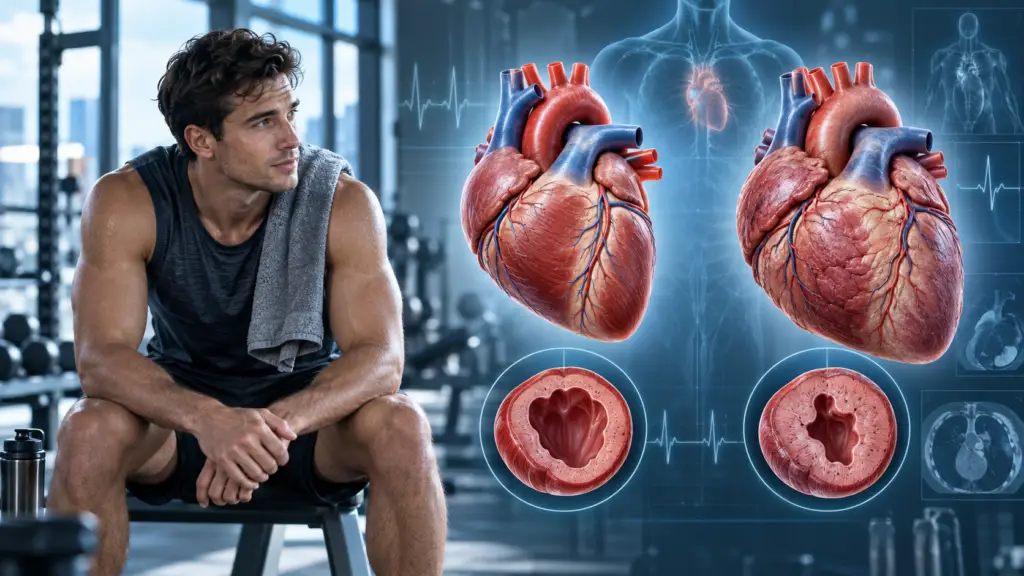
Can stress trigger a heart attack? During an intense argument, unexpected loss, or frightening experience, the body’s stress response can make the heart beat faster and temporarily raise blood pressure. In susceptible individuals, severe emotional stress may contribute to an acute cardiovascular event.
For most people, these reactions are short-lived. But under certain circumstances, intense emotional stress can have more serious cardiovascular consequences.
Scientific evidence suggests that sudden emotional stress can trigger a heart attack, particularly in people with underlying coronary artery disease. Long-term stress may also contribute to cardiovascular risk through its effects on blood pressure, inflammation, sleep, and everyday habits.
However, stress is rarely the sole cause of a heart attack, and experiencing anxiety or emotional distress does not mean that a cardiac emergency is inevitable.
Understanding how stress affects the heart helps explain when this natural biological response may become a medical concern.
What Happens to Your Heart During Stress?
When the brain detects a stressful situation, it activates the body’s fight-or-flight response, a protective mechanism designed to prepare us for danger.
This response involves the nervous system and stress hormones, particularly adrenaline and cortisol.
Within seconds, several changes can occur:
- Heart rate increases: The heart pumps faster to deliver more blood to the muscles and vital organs.
- Blood pressure rises: Changes in heart activity and blood vessel tone increase pressure within the circulation.
- The heart needs more oxygen: A faster, harder-working heart requires a greater oxygen supply.
- Blood flow is redistributed: Circulation adjusts to support the body’s immediate response.
These reactions are generally normal and temporary.
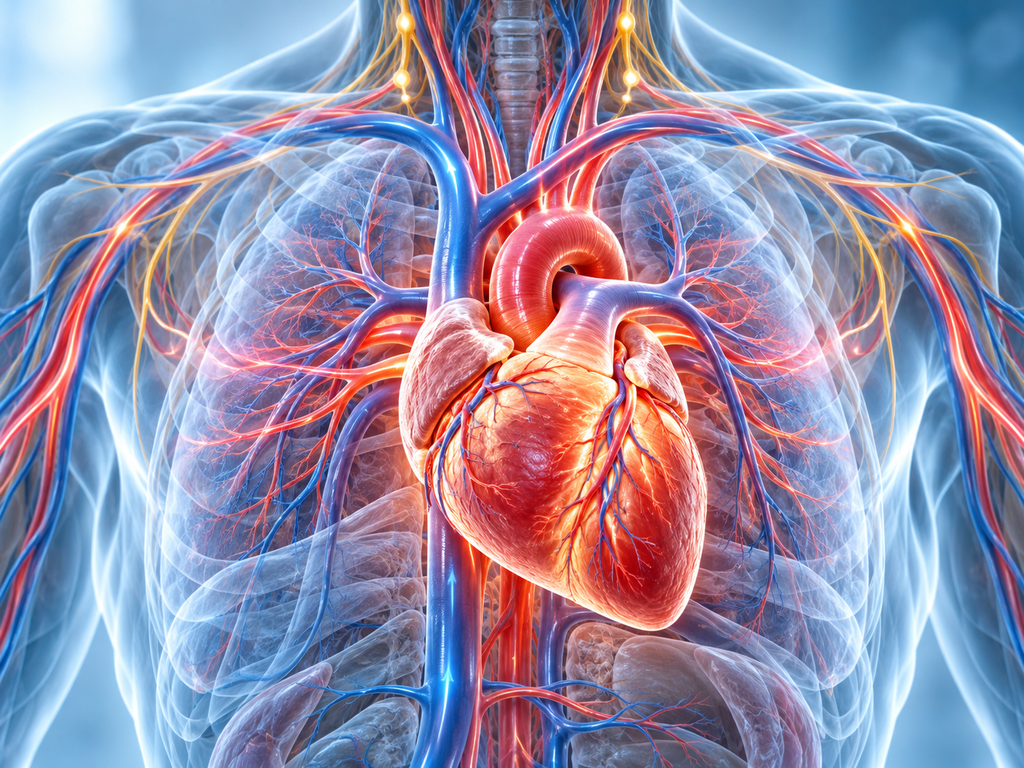
During stress, the nervous system increases heart rate and blood pressure, temporarily raising the heart’s workload and oxygen demand. Once the stressful situation passes, heart rate and blood pressure usually return toward their resting levels.
However, in someone with existing cardiovascular disease, sudden increases in cardiac workload may have more significant consequences.
How Can Stress Trigger a Heart Attack?
A heart attack, medically known as a myocardial infarction, occurs when blood flow to part of the heart muscle becomes insufficient, resulting in injury to the heart tissue.
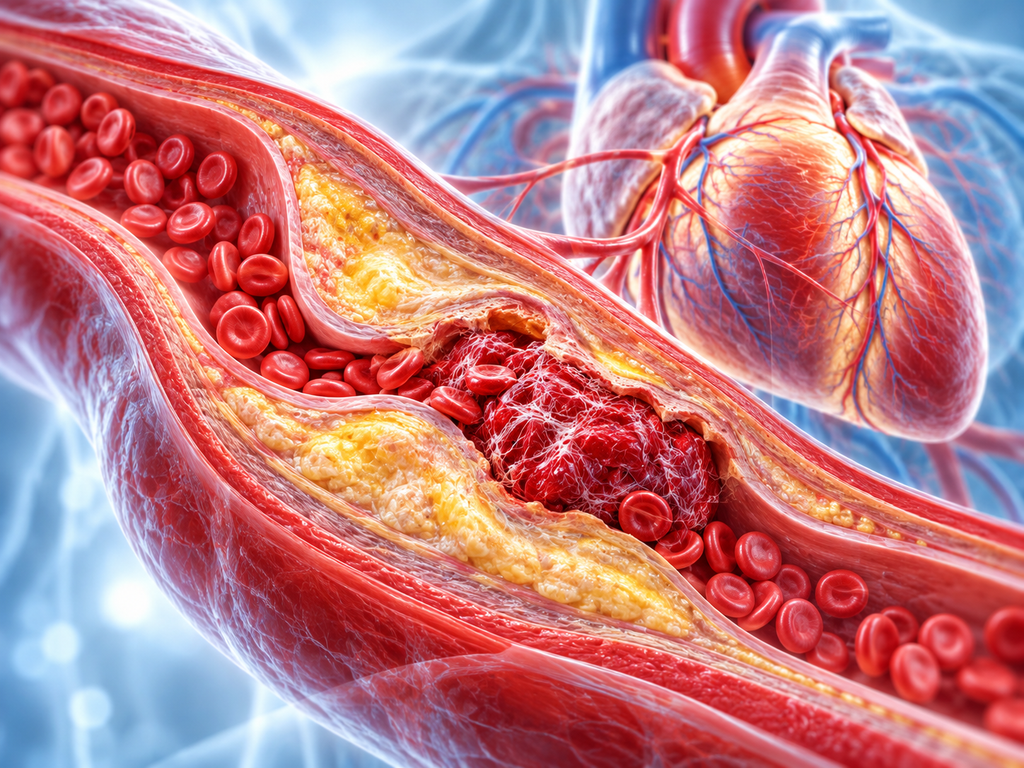
Most heart attacks are caused by coronary artery disease. Over time, fatty deposits called plaques can accumulate within the coronary arteries. If a plaque ruptures or its surface erodes, a blood clot may develop and partially or completely block blood flow.
Severe emotional stress may contribute to circumstances that make such an event more likely.
1. Increased Pressure on the Heart
During intense emotional stress, adrenaline raises heart rate and blood pressure.
This increases the heart’s workload and oxygen requirements.
Sudden changes in blood pressure may also increase mechanical stress on existing plaques within coronary arteries.
In susceptible individuals, these changes are among the proposed mechanisms through which emotional stress may help trigger an acute cardiovascular event.
2. Reduced Blood Flow to the Heart
Stress can influence how coronary blood vessels function.
In some individuals, psychological stress causes abnormal constriction of blood vessels or impaired regulation of coronary circulation.
This can reduce oxygen delivery to the heart muscle, producing a condition called myocardial ischemia.
Importantly, myocardial ischemia and a heart attack are not the same thing.
Ischemia means that the heart muscle receives insufficient oxygen. A heart attack occurs when inadequate blood supply causes heart muscle injury.
3. Changes in Inflammation and Blood Clotting
The stress response can also affect inflammatory processes, blood vessel function, and platelet activity.
Platelets are blood components involved in clot formation.
These biological changes may contribute to cardiovascular vulnerability, although the exact mechanisms linking emotional stress to an individual heart attack are not fully established.
The central point is that stress can act as a trigger, but most heart attacks involve underlying cardiovascular abnormalities or other contributing factors.
Can Stress Trigger a Heart Attack? What Scientific Research Shows
One of the most important studies examining this relationship is the international INTERHEART study, published in Circulation in 2016. Researchers analyzed 12,461 patients who had experienced a first heart attack across 52 countries.
They examined whether intense anger, emotional upset, or physical exertion occurred during the hour before symptoms began.
The results showed that anger or emotional upset during the preceding hour was associated with approximately 2.44 times the odds of a heart attack, compared with control periods without that exposure.
This finding supports the possibility that intense emotions can act as short-term triggers.
However, an important distinction is necessary.
The study was observational and did not establish that emotional stress directly caused each heart attack.
The reported increase represents a relative association, not the absolute probability that an individual will experience a heart attack after becoming upset.
For someone with a low underlying cardiovascular risk, the absolute likelihood of an event may remain very small.
Nevertheless, the research provides evidence that emotional stress can influence when a cardiovascular event occurs in susceptible individuals.
Acute Stress vs. Chronic Stress: Why the Difference Matters
Stress affects cardiovascular health differently depending on its intensity, duration, and frequency.
Acute Stress: A Possible Immediate Trigger
Acute stress develops suddenly in response to an immediate event.
Examples include receiving devastating news, experiencing intense anger, or facing a frightening situation.
These events can produce rapid increases in heart rate, blood pressure, and stress hormone activity.
For someone with vulnerable coronary arteries, such changes may temporarily increase the likelihood of a cardiovascular event.
However, most episodes of acute stress do not cause heart attacks.
Chronic Stress: A Long-Term Cardiovascular Concern
Chronic stress develops when stressful circumstances continue over weeks, months, or years.
Persistent workplace pressure, financial difficulties, caregiving responsibilities, and ongoing emotional distress are common examples.
Unlike a short-lived stress response, chronic stress may repeatedly activate biological systems involved in cardiovascular regulation.
Over time, it may contribute to:
- Elevated blood pressure.
- Changes in blood vessel function.
- Increased inflammatory activity.
- Poor sleep quality.
- Reduced physical activity.
- Unhealthy eating habits.
- Greater tobacco or alcohol use.
These factors can increase cardiovascular risk, particularly when combined with existing medical conditions.
The American Heart Association recognizes psychological health as an important component of cardiovascular well-being.
However, the relationship is complex, and not every association between chronic stress and heart disease has been proven to be directly causal.
Can Stress Trigger a Heart Attack in an Otherwise Healthy Person?
A person without previously diagnosed heart disease can experience a heart attack, but this does not necessarily mean that stress was the only cause.
Coronary artery disease can develop silently for years without noticeable symptoms.
Some heart attacks also occur through less common mechanisms, including coronary artery spasm or spontaneous tearing within a coronary artery.
Emotional stress may be associated with certain events, but its contribution varies considerably.
People with high blood pressure, elevated cholesterol, diabetes, smoking-related vascular damage, or established coronary artery disease generally have a higher underlying cardiovascular risk.
Stress should therefore be considered within the broader picture of cardiovascular health, rather than treated as an isolated cause of heart disease.
Broken Heart Syndrome: When Stress Affects the Heart Differently
Severe emotional or physical stress can sometimes trigger a condition known as Takotsubo syndrome, often called broken heart syndrome.
Unlike a typical heart attack caused by a blood clot obstructing a coronary artery, Takotsubo syndrome involves a sudden disturbance in the heart muscle’s ability to contract normally.
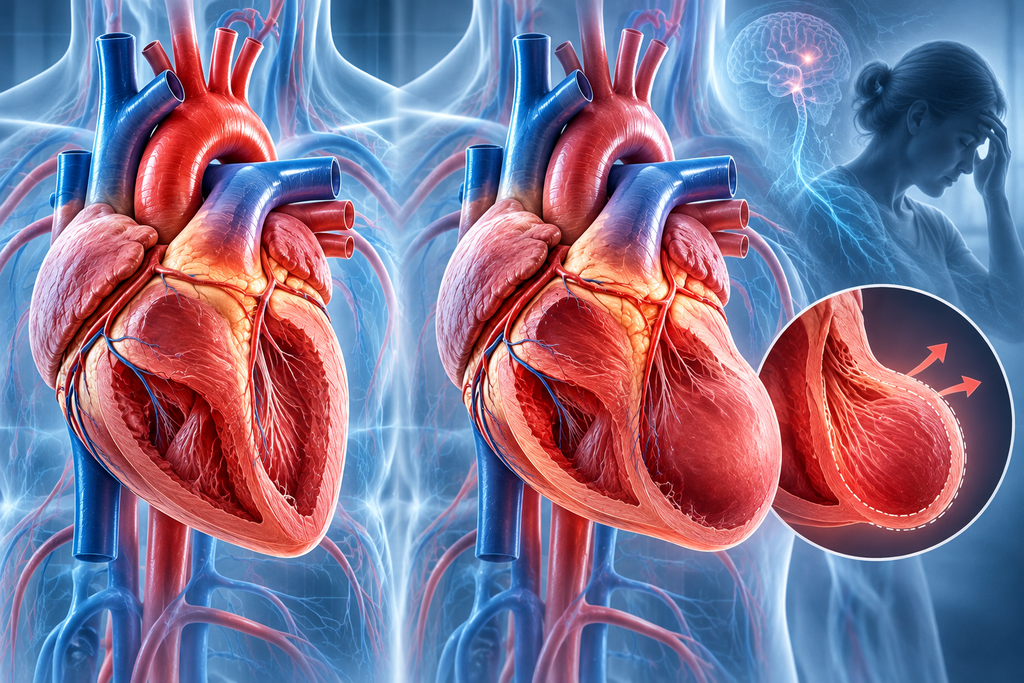
The left ventricle, the heart’s main pumping chamber, is commonly affected.
The condition can develop after an emotionally overwhelming event, although serious physical illness or other triggers may also be involved. Sometimes no clear trigger is identified.
Is Broken Heart Syndrome Dangerous?
Takotsubo syndrome can cause symptoms almost identical to those of a heart attack, including chest pain and shortness of breath.
It can also produce abnormal electrocardiogram findings and elevated cardiac blood markers.
Although heart function often recovers within several weeks, serious complications can occur, including heart failure, dangerous heart rhythms, and circulatory shock.
Broken heart syndrome is a genuine medical condition, not simply a physical expression of sadness.
Because it can closely resemble a heart attack, urgent medical assessment is essential.
Can Anxiety or Panic Attacks Mimic a Heart Attack?
Yes. Anxiety and panic attacks can produce physical symptoms that overlap with those of a cardiac emergency.
Common symptoms include:
- A racing or pounding heartbeat.
- Chest tightness or discomfort.
- Shortness of breath.
- Sweating and trembling.
- Dizziness or tingling sensations.
- An overwhelming feeling of fear.
These symptoms can result from the body’s stress response and changes in breathing.
However, the symptoms of anxiety and a heart attack cannot always be reliably distinguished without medical evaluation.
A heart attack may itself produce anxiety, sweating, and palpitations.
Never assume that new or unexplained chest pain is caused by stress simply because it occurs during an emotional situation.
Warning Signs of a Heart Attack You Should Never Ignore
Recognizing the symptoms of a possible heart attack is important, regardless of whether emotional stress is involved.
Warning signs may include:
- Chest discomfort: Pressure, squeezing, tightness, or pain in the center of the chest.
- Pain spreading elsewhere: Discomfort affecting one or both arms, the back, neck, jaw, or upper abdomen.
- Shortness of breath: Difficulty breathing with or without chest discomfort.
- Cold sweating: Sudden, unexplained sweating.
- Other symptoms: Nausea, lightheadedness, unusual fatigue, or weakness.
Some heart attacks begin gradually, with relatively mild symptoms rather than dramatic chest pain.
Women may experience symptoms such as nausea, unusual fatigue, or shortness of breath, although chest discomfort remains common in both women and men.
If a heart attack is suspected, call your local emergency number immediately. Do not drive yourself to the hospital or wait for symptoms to disappear.
Prompt medical treatment can reduce heart muscle damage and improve survival.
How Can You Protect Your Heart From the Effects of Stress?
Stress cannot always be eliminated, but several evidence-based health practices can support both cardiovascular and psychological well-being.
Stay Physically Active
Regular physical activity helps regulate blood pressure, improves cardiovascular fitness, and can reduce symptoms of stress and anxiety.
For most adults, at least 150 minutes of moderate-intensity aerobic exercise per week is recommended.
Walking, cycling, and swimming are practical examples. People with known heart disease should follow individualized exercise advice.
Prioritize Quality Sleep
Poor sleep can affect blood pressure, metabolism, and emotional regulation.
Most adults benefit from approximately seven to nine hours of sleep per night.
Maintaining a consistent sleep schedule and addressing persistent sleep problems can support overall health.
Practice Healthy Stress Management
Relaxation exercises, mindfulness, controlled breathing, spending time outdoors, and maintaining supportive relationships may help reduce perceived stress.
When anxiety or emotional distress becomes persistent, professional psychological support can be beneficial.
Although these approaches can improve well-being, evidence that stress reduction alone prevents heart attacks remains limited.
Manage Established Cardiovascular Risk Factors
Stress management should complement—not replace—proven approaches to cardiovascular prevention.
These include controlling blood pressure, cholesterol, and diabetes; avoiding tobacco; maintaining a balanced diet; and taking prescribed medication consistently.
Addressing these factors remains one of the most important ways to reduce cardiovascular risk.
Frequently Asked Questions
Can a single stressful event trigger a heart attack?
Yes. Intense emotional stress may trigger a heart attack in a susceptible individual, particularly someone with underlying cardiovascular disease. However, most stressful experiences do not result in a heart attack.
Can anger increase the risk of a heart attack?
Research suggests that intense anger or emotional upset is associated with a temporary increase in the relative odds of a heart attack. The absolute risk depends on the person’s underlying cardiovascular health.
Does long-term stress damage the heart?
Chronic stress may contribute to cardiovascular risk through changes in blood pressure, inflammation, sleep, and health behaviors. Its effects vary between individuals.
Can stress cause chest pain without a heart attack?
Yes. Anxiety, panic attacks, and muscle tension can produce chest discomfort. However, new, severe, or unexplained chest pain requires prompt medical assessment because cardiac conditions can cause similar symptoms.
Can reducing stress prevent a heart attack?
Stress management may improve psychological well-being and certain cardiovascular risk factors. However, it has not been conclusively established that reducing stress alone prevents heart attacks. Established cardiovascular prevention measures remain essential.
Final Thoughts
Stress has real effects on the cardiovascular system. It can temporarily increase heart rate, raise blood pressure, alter blood vessel function, and influence the body’s hormonal response.
Scientific evidence indicates that intense emotional stress can act as a trigger for a heart attack, particularly in people with underlying cardiovascular vulnerability.
Chronic stress may also contribute to long-term cardiovascular risk through biological changes and unhealthy behaviors.
However, stress is not an inevitable cause of heart disease, and occasional anxiety or emotional upset should not be interpreted as a sign that a heart attack is imminent.
The most effective approach is to maintain healthy daily habits, manage established cardiovascular risk factors, and seek appropriate support when stress becomes overwhelming.
Protecting your heart means caring for both your physical and psychological health.
Sources & Scientific References
- Smyth A, et al. (2016). Physical Activity and Anger or Emotional Upset as Triggers of Acute Myocardial Infarction View study
- Levine GN, et al. (2021). Psychological Health, Well-Being, and the Mind-Heart-Body Connection: A Scientific Statement From the American Heart Association. Circulation.
- National Heart, Lung, and Blood Institute (NIH). Heart Attack: Causes and Risk Factors.
- American Heart Association. Stress and Heart Health.
- American Heart Association. Warning Signs of a Heart Attack.
Medical Disclaimer
This article is intended for educational and informational purposes only. It does not replace professional medical advice, diagnosis, or treatment. If you experience symptoms of a possible heart attack, seek emergency medical assistance immediately.